How to Teach the Bible at Home (Even If You Don’t Know Where to Start)

How to Teach the Bible at Home (Even If You Don’t Know Where to Start)

How to Teach the Bible at Home (Even If You Don’t Know Where to Start)

Many parents want to teach their children about the Bible, but aren’t always sure how to begin.

You may feel like you need to have all the answers, follow a perfect plan, or understand everything yourself before you can teach your kids. Because of that, it’s easy to feel overwhelmed or unsure where to start.

The good news is that teaching the Bible at home doesn’t have to be complicated. What matters most is helping your child begin to understand who God is, what the Bible teaches, and how those ideas fit together over time.

Start With the Right Goal

Before choosing a workbook or reading plan, it helps to think about the goal.

The goal is not just for children to memorize Bible stories or complete lessons. It’s to help them understand what they believe and why.

As kids grow, they naturally begin to ask deeper questions. They may wonder who God is, why Jesus came to earth, why bad things happen, or how we know the Bible is true. These are important questions, and they shape how a child understands their faith.

If you want a deeper explanation of how these ideas connect, you may also want to read: What Is Systematic Theology for Kids?

Use the Right Tools (But Don’t Rely on Just One)

There are many different ways to teach the Bible at home, and each one has strengths.

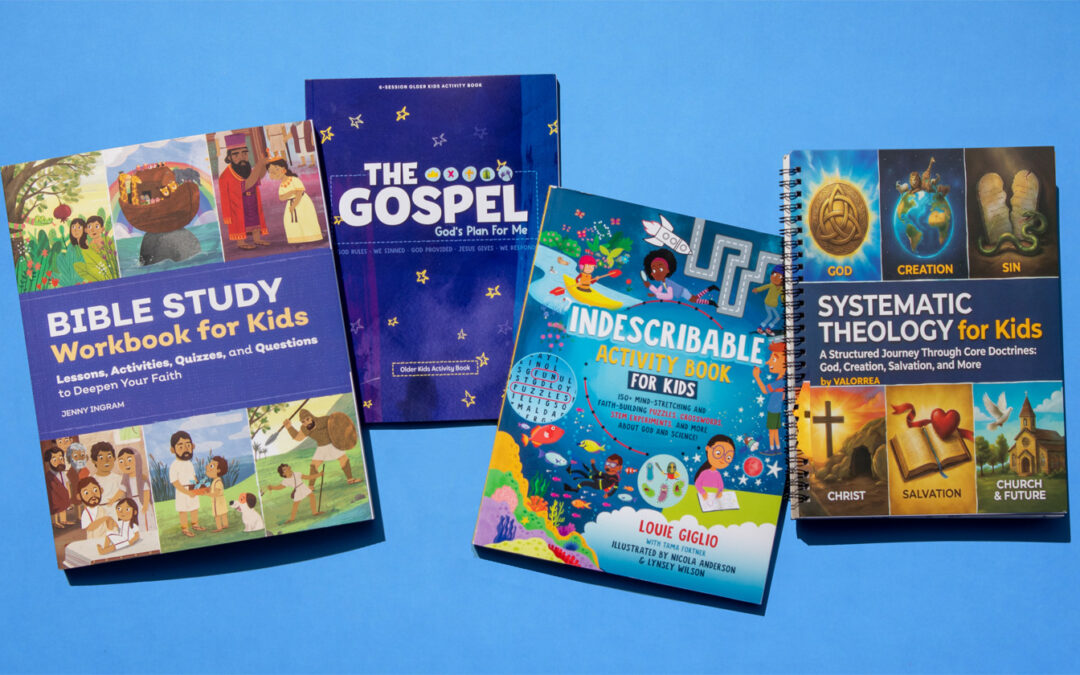
Workbooks

Workbooks can be helpful for structure. They give children something to do and can make lessons feel clear and manageable.

If you’re comparing options, you can see a full breakdown here: The Best Bible Workbooks for Kids (Honest Review and Comparison)

However, workbooks are usually designed for short lessons, which means they may not always explain ideas in much detail.

Chapter Books and Discussion-Based Learning

Some children understand ideas better when they read, ask questions, and talk through what they’re learning.

Books written in this style often spend more time explaining what the Bible teaches and how different ideas connect. This can be especially helpful for children who ask a lot of questions or want to understand their faith more clearly.

Because of this, some parents begin to wonder whether workbooks alone are enough to support that kind of understanding. If you’re asking that same question, you can read more here: Are Bible Workbooks Enough for Kids?

Keep It Simple and Consistent

One of the biggest mistakes parents make is trying to do too much at once.

Teaching the Bible at home does not require long lessons or complicated plans. Short, consistent time together is often more effective than trying to cover everything at once.

This might look like:

  • reading a short passage
  • working through a workbook page
  • talking about a question your child asked

Even a few minutes each day can make a lasting impact over time.
how to teach the bible at home for kids simple method parent helping child understand faith

Let Your Kids Ask Questions

Some of the best learning happens when children ask questions.

Instead of seeing questions as interruptions, try to see them as opportunities. Questions often show that your child is starting to think more carefully about what they’re learning.

They may ask things like:

  • How do we know God is real?
  • Why do people believe different things?
  • What happens after we die?

These are the moments when real understanding begins to grow.

You Don’t Have to Have All the Answers

Many parents hesitate to teach the Bible because they feel like they need to know everything first.

But you don’t have to have all the answers.

It’s okay to say:
“I’m not sure, but let’s look it up together.”

In fact, learning alongside your child can be one of the most meaningful parts of the process.

A Balanced Approach Works Best

In most cases, the best approach is not choosing just one method, but combining a few.

  • Workbooks can provide structure
  • Books can provide explanation
  • Conversations can provide understanding

Together, these create a more complete picture of what the Bible teaches.

Final Thoughts

Teaching the Bible at home doesn’t have to be complicated or overwhelming.

What matters most is creating space for your child to learn, ask questions, and grow in their understanding over time.

The goal is not just to complete lessons, but to help children understand what they believe and why. Small, consistent steps can make a lasting difference in how their faith develops.

Looking for the Right Kind of Book?

If you want to find books that help children understand what they believe and why they can trust it, you can explore some of the best options here: The 5 Best Christian Apologetics Books for Kids

Let’s Be Friends!

Follow The Smartest Sprout on Facebook and Instagram! Discover the latest parenting tips, activity ideas, and more! Plus, get deal alerts on our favorite educational toys and healthy family essentials!

What Is Systematic Theology for Kids? Do Kids Really Need These Books?

What Is Systematic Theology for Kids? Do Kids Really Need These Books?

What Is Systematic Theology for Kids? Do Kids Really Need These Books?

If you’ve been searching for Christian workbooks or Bible study books for your child, you’ve probably seen many of them described as systematic theology for kids. These books are becoming very popular, especially with homeschool families and parents who want their children to learn the Bible in a clear and structured way.

But what does systematic theology actually mean, and do kids really need this type of book? Understanding this can help you choose the right kind of book for your child instead of just picking whatever is popular online.

What Does Systematic Theology Mean?

Systematic theology is a way of teaching the Bible by organizing its teachings into clear topics.

Instead of reading the Bible in order, systematic theology looks at questions like:

  • Who is God?

  • Why did Jesus die on the cross?

  • What is sin?

  • What happens after death?

  • What does the Bible teach about salvation?

  • What does the Bible say about heaven and eternity?

Each topic is studied by looking at what the Bible says in different places, helping readers see how the Bible fits together.

For adults, systematic theology is usually taught in Bible college or seminary. For kids, these same ideas are simplified into workbooks, activity books, or question-and-answer style chapter books.

What Does Systematic Theology for Kids Usually Teach?

Systematic theology books for kids focus on the main parts of the Christian faith.

Common topics include:

  • Creation and the beginning of the world

  • Sin and why people need forgiveness

  • Jesus and salvation

  • Prayer and the Christian life

  • Heaven, hell, and eternity

  • Why Christianity is different from other religions

Many of the newer theology workbooks also include apologetics-style questions, such as how we know the Bible can be trusted or how we know God is real. These topics are meant to help children understand not only what Christians believe, but why those beliefs are true.

Books that focus on these kinds of questions are often described as apologetics for kids, and they’re becoming more common as parents look for ways to help their children build a strong foundation in their faith.

You can see more examples of apologetics books here: The 5 Best Christian Apologetics Books for Kids Ages 8–12

Why Are Systematic Theology Workbooks for Kids So Popular Right Now?

Recently, there has been a huge increase in theology workbooks and Bible activity books for kids, especially online.

Parents are looking for ways to help their children understand their faith, and workbooks feel like an easy place to start. They look structured, educational, and safe, but the quality of content can vary quite a bit from one book to another.

Many of these books follow the same format:

  • short lesson

  • short explanation

  • simple questions

  • coloring or writing activity

This style can be helpful for review and practice, but not every workbook teaches the same depth or quality of material. Some books explain ideas clearly and thoughtfully, while others stay very basic or only cover the surface of what the Bible teaches.

If you want to see how several popular workbooks compare side by side, you can read my full review here: Which Bible Workbook for Kids Is Best?

child using workbook learning systematic theology for kids and understanding christian beliefs

Are Workbooks the Only Way to Teach Theology to Kids?

Not every family who wants to teach systematic theology chooses to use a workbook. Workbooks are only one way to teach children about God and the Bible.

Some families prefer:

  • workbooks and activity books

  • chapter books that explain faith

  • family devotional books

  • Bible reading plans

  • faith-based homeschool curriculum

Each method teaches in a different way. Workbooks usually focus on short, repetitive lessons, while chapter books and discussion-based books often go deeper and help children think through ideas more clearly.

If you’re trying to decide how to teach the Bible at home and whether workbooks are the best option, you may also want to read: How to Teach the Bible at Home

When a Systematic Theology Workbook Can Be Helpful

A theology workbook can be a good choice if your child:

  • likes worksheets and activities

  • enjoys short lessons

  • needs structure

  • is learning at home or in homeschool

  • is just starting to learn the basics of the Bible

These books can make big ideas feel easier to understand, especially for younger kids.

When You Might Want Something More Than a Workbook

Some parents notice that workbooks don’t always explain enough. Because the lessons are short, topics may only be explained briefly. Kids may learn the right answers but still have questions about why those answers are true.

In those cases, families sometimes use additional books that explain faith through stories, conversations, or longer chapters instead of only worksheets. The goal is not just to memorize facts, but to help children understand what they believe and why.

Choosing the Right Theology Book for Your Child

There is no single book that works for every family.

When choosing a systematic theology book for kids, it helps to think about:

  • your child’s age

  • how much depth you want

  • whether your child prefers reading or activities

  • whether you want discussion questions

  • whether you want a workbook or a chapter book

Some children do well with simple worksheets, while others learn more from books that explain ideas in more detail. The best choice depends on how your child learns and what you want them to understand about their faith.

Do Children Really Need Systematic Theology?

Yes, children do need to learn theology. Every child is already forming beliefs about God, whether those beliefs are accurately taught or not. The question isn’t whether they will develop an understanding of these things, but whether that understanding will be guided, accurate, and rooted in truth.

Children naturally ask questions about who God is, why the world is the way it is, what happens after we die, and what’s right or wrong. If those questions are not answered clearly, they are often shaped by culture, assumptions, or incomplete ideas instead.

Christian theology helps give children a clear and consistent understanding of what the Bible teaches. It connects ideas so their faith isn’t based on isolated stories or simple answers, but on a fuller picture of who God is and how everything fits together.

They don’t need to study theology in the same way adults do, but they do need help understanding the basic truths of Christianity. Having clear answers builds a foundation that can grow with them over time.

For some families, a systematic theology workbook is a helpful tool because it organizes these topics into simple lessons. Workbooks can make big ideas feel easier to understand, especially for younger children or for homeschool settings.

However, workbooks are not the only way to teach theology. Some children learn better through reading, discussion, or stories that explain faith in more detail. In those cases, a chapter book or question-and-answer style book may help children think more clearly about what they believe and why.

The goal isn’t just to complete lessons, but to help children grow in understanding, confidence, and trust in God.

Final Thoughts

Systematic theology can be a helpful way to introduce kids to the basic truths of the Christian faith. These books organize important topics like God, sin, salvation, prayer, and the Bible into clear lessons that are easier for children to understand.

For some families, a workbook format works well because it provides structure and short activities that keep kids engaged. For others, a discussion-based book or chapter book may be a better fit, especially if a child asks a lot of questions or wants to understand why the Bible teaches what it does.

Not every child learns the same way, and not every book teaches with the same depth. Some workbooks focus on short answers and repetition, while other books spend more time explaining ideas and helping kids think through big questions about faith.

The goal is not just to give children the right answers, but to help them grow in understanding, confidence, and trust in what they believe.

If you’re also wondering whether workbooks are enough on their own, you can read more here: Are Bible Workbooks Enough for Kids to Understand Their Faith?

Frequently Asked Questions

What age should kids learn systematic theology?

Most systematic theology books for kids are written for ages 6–12, but the right age depends on the child. Some younger kids enjoy simple activity books, while older kids may understand deeper explanations.

Is systematic theology too hard for children?

It can be, if the material is written like an adult textbook. Good children’s books explain the same ideas in simple language and use examples kids can understand.

Are systematic theology workbooks better than regular Christian books?

Not necessarily. Workbooks are helpful for practice and review, but some children learn more from reading, discussion, or story-based books. Many families use both.

Why are there so many theology workbooks online right now?

There has been a growing interest in helping children understand their faith more deeply, especially among homeschool and Christian families. Because of this, many new workbooks have been published in recent years.

Let’s Be Friends!

Follow The Smartest Sprout on Facebook and Instagram! Discover the latest parenting tips, activity ideas, and more! Plus, get deal alerts on our favorite educational toys and healthy family essentials!
Are Bible Workbooks Enough for Kids to Understand Their Faith?

Are Bible Workbooks Enough for Kids to Understand Their Faith?

Are Bible Workbooks Enough for Kids to Understand Their Faith?

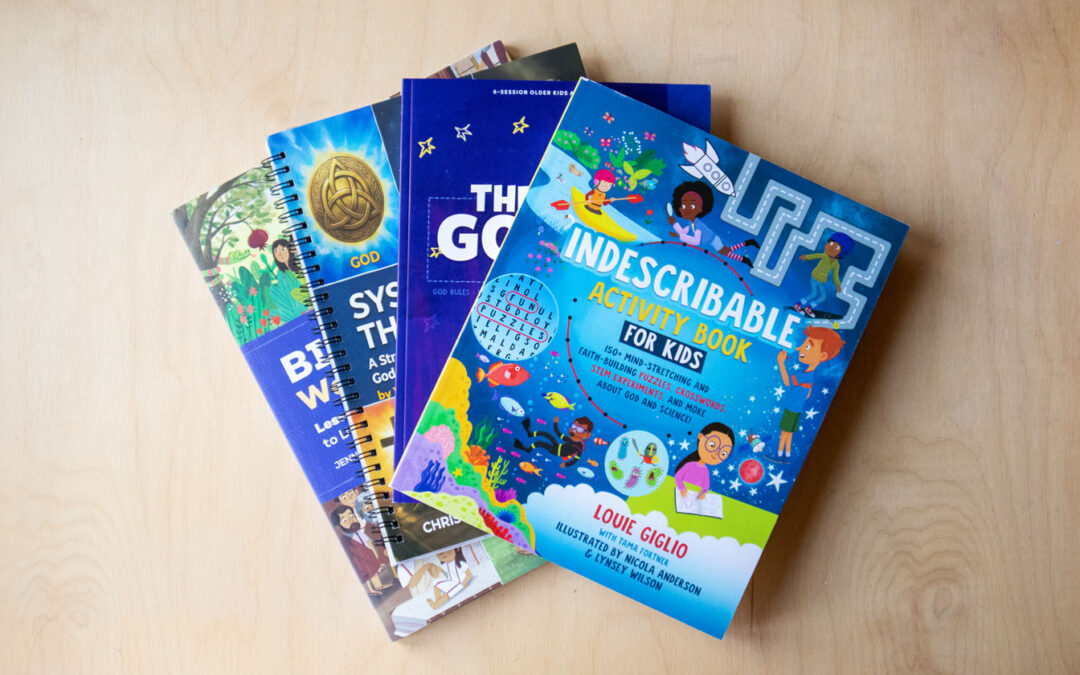
Many parents use Bible workbooks or Christian activity books to help their children learn about faith. These books can be a helpful tool, especially for younger kids who enjoy coloring pages, puzzles, and simple lessons. Workbooks give children something to do with their hands while they learn, and they can make Bible time feel more structured and easy to follow.

But some parents eventually wonder if worksheets and activity pages are enough on their own. If a child starts asking bigger questions about God, the Bible, or why Christians believe certain things, a workbook may not always give the kind of explanation they’re looking for.

So are Bible workbooks enough for kids, or do children need something more?

Why Many Parents Use Bible Workbooks

Bible workbooks are popular because they’re simple to use and easy to understand. Most are designed with short lessons, simple questions, and activities that help children stay focused. For families who want something structured, workbooks can make it easier to have regular Bible time at home.

They can also be helpful for homeschool, Sunday school, or families who want a clear plan instead of trying to come up with lessons on their own. A good workbook can introduce Bible stories, teach basic Christian ideas, and help kids remember what they learned.

For many children, this kind of hands-on learning works very well.

What Bible Workbooks Do Well

Workbooks are especially good for teaching in small steps. Each lesson usually focuses on one idea at a time, which can make learning feel manageable instead of overwhelming.

Activity pages can also help children stay engaged. Puzzles, drawing, matching games, and short questions give kids something to do while they learn, and this can make Bible lessons feel more fun.

For younger children or kids who struggle to sit still, this format can be very helpful. It keeps lessons short and clear, and it gives parents an easy way to guide the conversation.

Because of this, Bible workbooks can be a strong starting point for learning about faith.

Where Workbooks Can Fall Short

Even though workbooks can be helpful, they’re not designed to do everything. Most workbook lessons are short on purpose, which means the explanations also have to stay simple. This can leave important questions only partially answered.

Workbooks works well for basic ideas, but it can become harder when children start asking deeper questions. Topics like suffering, different religions, and questions about God often need more explanation than a worksheet can provide.

Some workbooks also repeat the same type of activity in every lesson. When every page looks similar, children may lose interest, especially as they get older or begin to think more seriously about their faith.

As a result, workbooks can sometimes introduce ideas without fully explaining them.

Some Kids Need More Than Worksheets

Not every child learns about the Bible best by completing activity pages. Some kids understand ideas better when they read a story, ask questions, or talk through what they’re learning instead of writing answers on a worksheet.

As children grow, they often want to understand not just what the Bible says, but what Christians believe and why it’s true. They may ask how we know God is real, why bad things happen, or how the different parts of the Bible fit together.

Books that use chapters instead of worksheets can help meet this need. They have more space to explain ideas clearly, connect different topics together, and walk through questions step by step.

For children who are curious or and ask big questions, this kind of learning can make faith feel more real and easier to understand.

bible workbooks for kids vs apologetics showing why kids need to understand what they believe and why

A Better Approach for Deeper Understanding

This doesn’t mean workbooks are bad. In many cases, the best approach is to use more than one kind of resource.

A workbook can be helpful for structure and review, while other books such as chapter books or apologetics-based books that help children understand what they believe and why can give fuller explanations and answer harder questions.

When children have the chance to both do activities and talk about what they believe, they often understand the lesson more clearly.

Parents don’t have to choose between workbooks and other resources. Using them together can give kids a stronger foundation and help them grow in their understanding as they get older.

When Workbooks Are Helpful and When They’re Not

Bible workbooks can be a great tool, especially for younger children, short lessons, or families who want something structured and easy to use.

But they’re not always enough on their own, especially for kids who ask a lot of questions or want to understand their faith in a deeper way. Some children need more explanation, more discussion, and more time to think through what they’re learning.

Every child learns differently, but they all need help understanding what they believe and why. The best approach for many children is often a mix of activities, reading, and conversation.

When parents understand the strengths and limits of workbooks, it becomes much easier to choose the right tools to help their kids grow in faith.

Keep Learning

If you want to explore this further, here are a few helpful next steps:

How to Teach the Bible at Home
Which Bible Workbook Is Best

Let’s Be Friends!

Follow The Smartest Sprout on Facebook and Instagram! Discover the latest parenting tips, activity ideas, and more! Plus, get deal alerts on our favorite educational toys and healthy family essentials!
The 7 Best Fantasy Books for Christian Kids (Ages 8–12)

The 7 Best Fantasy Books for Christian Kids (Ages 8–12)

The 7 Best Fantasy Books for Christian Kids (Ages 8–12)

This post contains affiliate links. Read our affiliate disclosure here.

Fantasy stories capture children’s imaginations in a powerful way. Epic adventures, mysterious lands, courageous heroes, and memorable villains invite young readers into imaginative worlds where good and evil collide and courage matters.

Like many fantasy stories, the books on this list include imaginative elements such as dragons, magical worlds, or symbolic battles between good and evil.

When stories like these reflect meaningful faith themes, they can help children explore deeper ideas about truth, sacrifice, courage, and hope.

For kids ages 8–12, fantasy chapter books can be especially engaging. At this stage, many readers are ready for longer stories and richer fictional worlds while still enjoying adventure and imagination.

The books below represent some of the fantasy stories most often recommended among Christian families. Many are written by Christian authors, and many Christian parents feel comfortable sharing them with their children because the stories generally encourage virtues such as courage, sacrifice, truth, and redemption within a moral framework that reflects a Christian worldview.

These are fictional fantasy adventures, not Bible stories or retellings of biblical events. However, some readers describe them as Christian fantasy because of the faith perspective of the authors, the themes explored in the stories, or the symbolism that reflects Christian ideas about good, evil, and the importance of choosing what is right.

Christian fantasy books for kids Pinterest graphic showing a dragon flying over a castle valley illustration promoting a list of Christian fantasy books kids can’t put down

Why Fantasy Stories Can Be Powerful for Kids

Fantasy stories allow children to explore important ideas in ways that feel exciting and memorable.

Through imaginative adventures, young readers can encounter characters who face difficult choices, demonstrate courage in the face of danger, and learn to stand for what is right.

Many beloved fantasy stories also explore themes that resonate with biblical ideas, such as:

• The battle between good and evil
• Sacrifice and redemption
• Courage in the face of fear
• Loyalty, friendship, and truth

Because these ideas appear within compelling stories, children often remember them long after finishing the book.

What Makes a Fantasy Book “Christian”?

Not every fantasy story is written from a Christian perspective. Some books simply include positive messages or moral lessons.

Christian fantasy stories typically include at least one of the following:

• Stories written intentionally from a Christian worldview
• Symbolism or allegory that reflects biblical ideas
• Themes such as redemption, sacrifice, truth, and hope
• Characters who demonstrate courage, faith, and integrity

Sometimes these themes appear clearly in the story. Other times they are woven into the narrative through symbolism or allegory.

Either way, these stories can open the door to meaningful conversations about faith and character.

A Note for Parents About Fantasy and Magic

Some Christian parents wonder whether fantasy stories that include magic or imaginary powers are appropriate for children.

The Bible clearly warns against real-world occult practices such as sorcery, divination, or seeking spiritual power apart from God. At the same time, many fantasy stories use imaginative elements like dragons, magical creatures, or fictional powers simply as storytelling devices within imaginary worlds.

For this reason, Christian families often approach fantasy books in different ways. Some choose to avoid fantasy altogether, while others feel comfortable with stories that clearly portray the triumph of good over evil and encourage virtues like courage, loyalty, sacrifice, and truth.

As with any books children read, parents may want to review stories individually and decide what best fits their family’s values and convictions.

The Best Fantasy Books for Christian Kids

The books below represent some of the most popular fantasy stories for Christian kids ages 8–12. Each one offers imaginative adventure while exploring themes that resonate with Christian families.

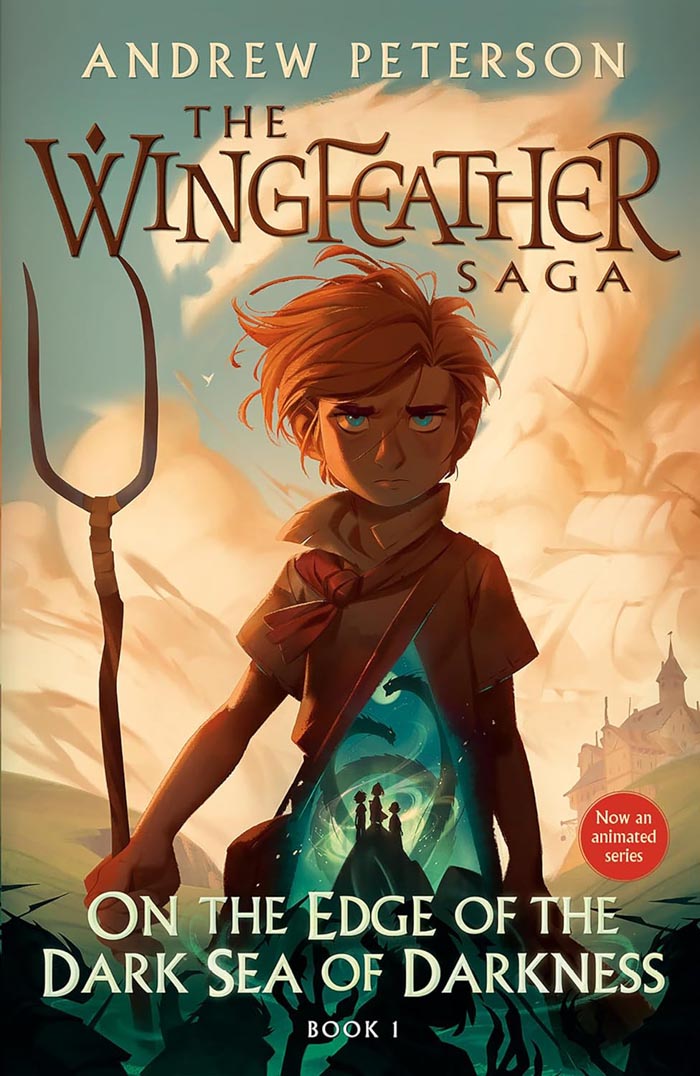
1. The Wingfeather Saga

On the Edge of the Dark Sea of Darkness (Book 1)
by Andrew Peterson

On the Edge of the Dark Sea of Darkness book cover by Andrew Peterson, Wingfeather Saga Book 1

On the Edge of the Dark Sea of Darkness is the first book in the beloved Wingfeather Saga, a richly imagined Christian fantasy series that follows the Igiby siblings as they navigate danger, mystery, and discovery in the strange land of Aerwiar.

What begins as a quiet life in a seaside cottage quickly turns into a larger adventure as the children learn that their family carries a secret tied to the future of their world. Along the way they encounter strange creatures, dangerous enemies, and surprising allies. Beneath the adventure and humor, the story explores themes of courage, sacrifice, loyalty, and hope.

Many Christian families appreciate the way the series weaves meaningful ideas about truth, redemption, and identity into an imaginative fantasy story. While the narrative is filled with creativity and adventure, the deeper themes resonate with a Christian worldview, making it a favorite among homeschool families and Christian readers.

A great fit for:

• Kids who enjoy imaginative fantasy worlds
• Readers ready for longer chapter books and rich storytelling
• Families looking for adventure stories with meaningful themes

Why parents like it:

• Engaging story with humor and memorable characters
• Themes of courage, sacrifice, and redemption
• Thoughtful storytelling that encourages deeper conversations

You can read more about this book or see current pricing here:

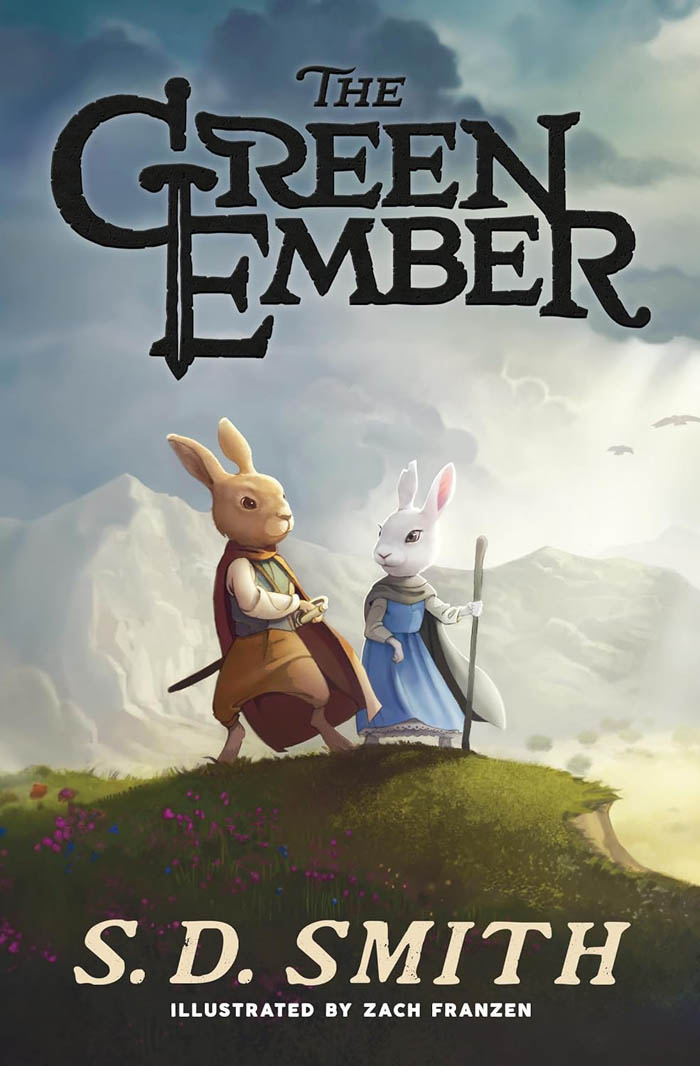
2. The Green Ember

The Green Ember (Book 1)
by S.D. Smith

The Green Ember book cover by S. D. Smith, Christian fantasy adventure for kids

The Green Ember is the first book in a popular Christian fantasy adventure series that follows two young rabbits, Heather and Picket, whose peaceful lives change suddenly when danger forces them into a much larger world.

As they journey through forests, hidden strongholds, and dangerous territories, the siblings discover a growing resistance fighting to restore their rightful king. Along the way they encounter brave allies, powerful enemies, and a story filled with loyalty, courage, and sacrifice.

Many Christian families appreciate The Green Ember for its strong themes of honor, truth, and perseverance. While the story unfolds as an exciting animal fantasy adventure, the deeper themes of hope, redemption, and faithful leadership resonate strongly with a Christian worldview, making it a favorite among homeschool families and young readers who enjoy heroic stories.

A great fit for:

• Kids who enjoy animal fantasy stories
• Readers who like adventure and heroic quests
• Families looking for stories that emphasize courage and character

Why parents like it:

• Strong themes of honor, courage, and loyalty
• Engaging adventure with memorable characters
• Encourages conversations about leadership, sacrifice, and truth

You can read more about this book or see current pricing here:

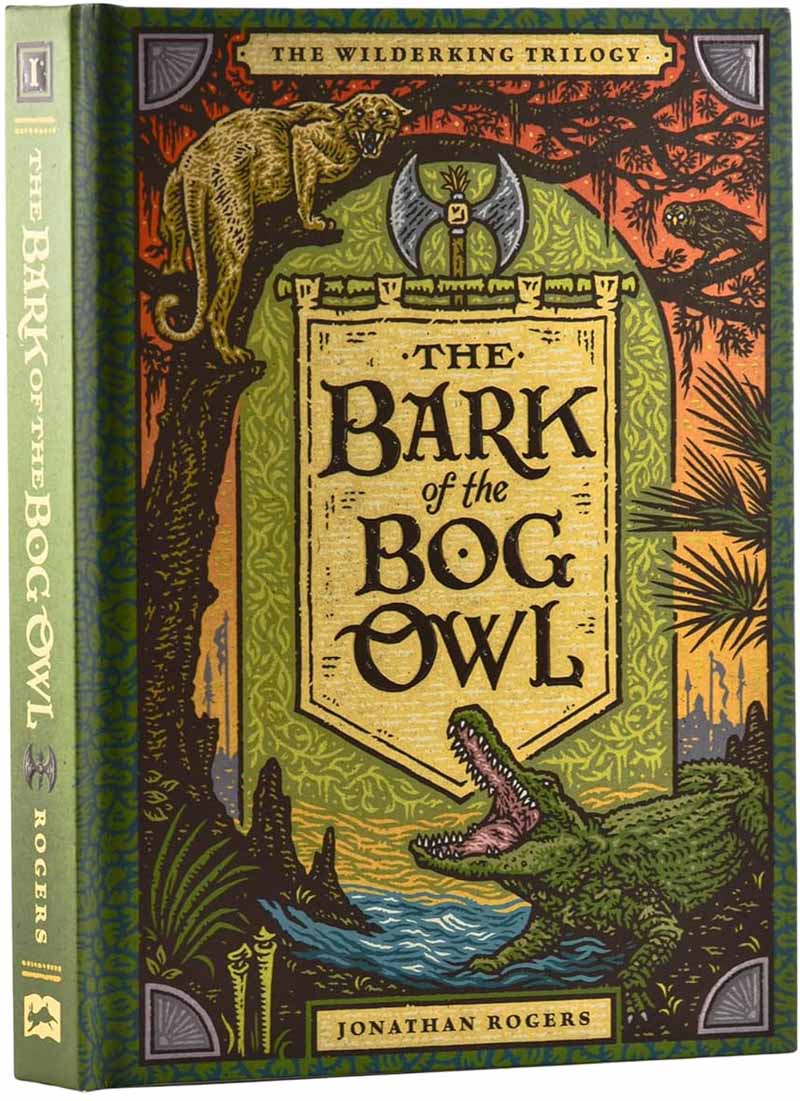
3. The Bark of the Bog Owl

Wilderking Trilogy (Book 1)
by Jonathan Rogers

The Bark of the Bog Owl book cover by Jonathan Rogers, Wilderking Trilogy Book 1

The Bark of the Bog Owl is the first book in the Wilderking Trilogy, a Christian fantasy adventure set in the mysterious land of Corenwald. The story follows Aidan Errolson, a boy who dreams of having the kind of grand adventures his ancestors once experienced.

Everything changes when Aidan hears the strange bark of the bog owl and meets Dobro Turtlebane, a member of the Feechiefolk—an unusual group of swamp dwellers known for their loud laughter, fierce tempers, and unforgettable personalities. Soon afterward, the arrival of Bayard the Truthspeaker brings a surprising prophecy about the coming of the Wilderking, a mysterious figure destined to rise from the deep forests and swamps of Corenwald to restore the kingdom.

Many Christian families appreciate this series for its imaginative storytelling, memorable characters, and deeper themes about truth, courage, and humility. The story blends humor, adventure, and meaningful lessons about character, making it a favorite among young readers who enjoy rich fantasy worlds.

A great fit for:

• Kids who enjoy humorous fantasy adventures
• Readers who like imaginative worlds and memorable characters
• Families looking for stories that emphasize courage and character

Why parents like it:

• Engaging story with humor and creative world-building
• Strong themes about truth, humility, and leadership
• Encourages thoughtful conversations about character and integrity

You can read more about this book or see current pricing here:

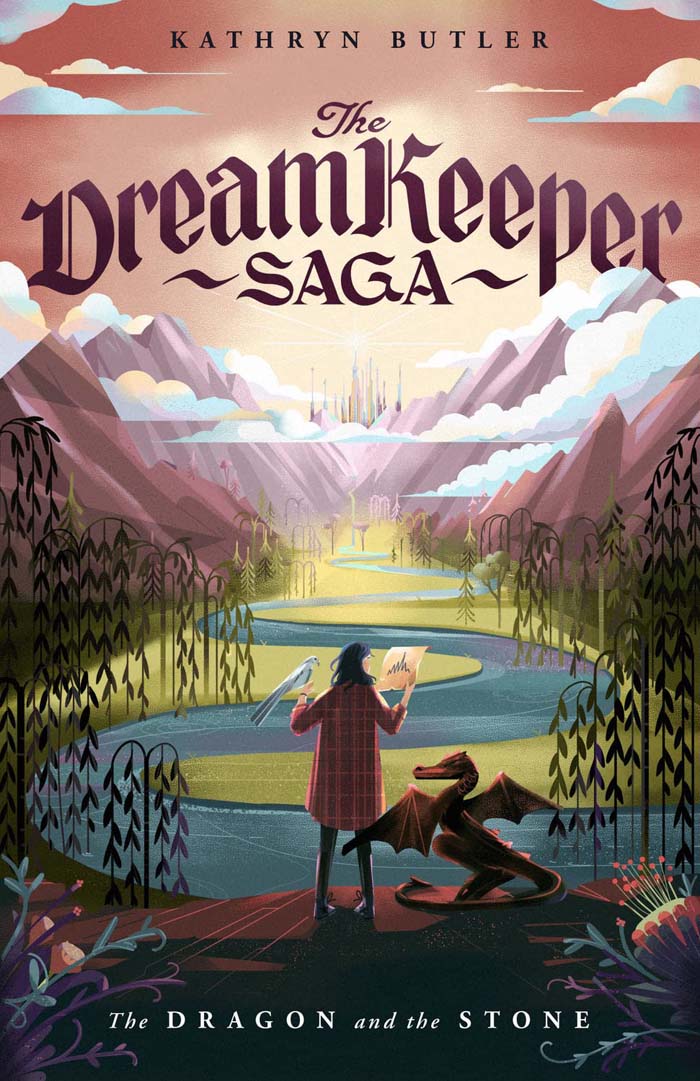
4. The Dragon and the Stone

The Dream Keeper Saga (Book 1)
by Kathryn Butler

The Dragon and the Stone book cover by Kathryn Butler, Dream Keeper Saga Book 1

The Dragon and the Stone is the first book in the Dream Keeper Saga, a Christian fantasy adventure that follows twelve-year-old Lily McKinley as she wrestles with grief, hardship, and questions about hope in the real world.

When Lily is unexpectedly drawn into a mysterious realm called Somnium, she discovers a land threatened by darkness and deception. With the help of new companions, Lily begins a dangerous journey through forests, castles, and hidden passages as she searches for truth and learns what it means to stand against evil.

Many Christian families appreciate The Dragon and the Stone for the way it weaves themes of faith, redemption, sacrifice, and hope into an imaginative fantasy story. The adventure invites young readers to think about courage and perseverance while reflecting deeper Christian ideas about restoration and truth.

A great fit for:

• Kids who enjoy fantasy adventures with dragons and magical worlds
• Readers who like stories with deeper emotional themes
• Families looking for faith-inspired fantasy stories

Why parents like it:

• Clear Christian themes woven naturally into the story
• Encourages conversations about hope, redemption, and courage
• Engaging adventure that keeps middle-grade readers interested

You can read more about this book or see current pricing here:

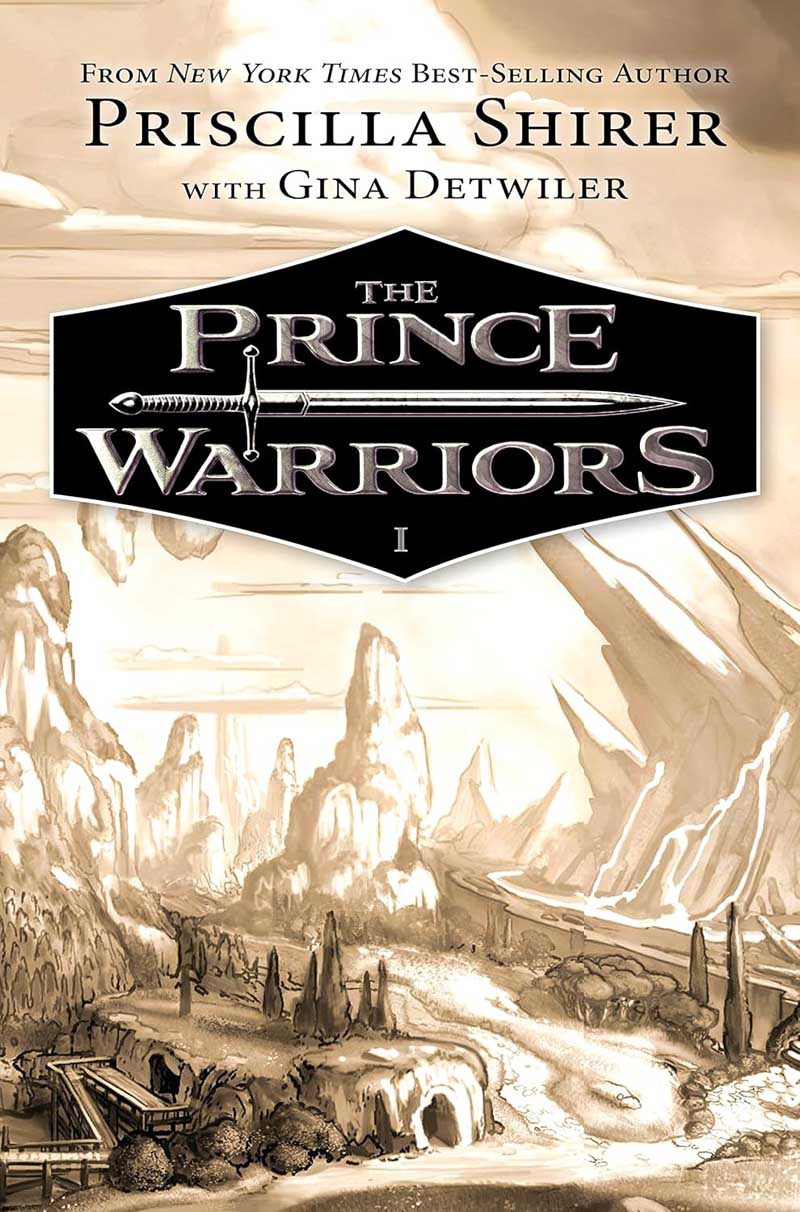
5. The Prince Warriors

The Prince Warriors (Book 1)
by Priscilla Shirer

The Prince Warriors book cover by Priscilla Shirer Christian fantasy book for kids ages 8–12

The Prince Warriors is a Christian fantasy adventure that helps kids understand the spiritual battle between good and evil in a way that feels exciting rather than heavy. The story follows brothers Xavier and Evan as they discover that the struggles they face in everyday life reflect a much larger unseen battle.

When they are pulled into a mysterious realm called Ahoratos, the boys meet a group of young warriors who are learning how to stand against darkness using truth, courage, and faith. Guided by wise mentors and equipped with powerful armor, the children begin training to recognize deception and fight the forces that threaten their world.

Priscilla Shirer weaves biblical themes throughout the story, drawing inspiration from the Armor of God in Ephesians 6. The result is an imaginative adventure that helps kids understand spiritual truths while staying deeply engaging and fun to read.

Many Christian families love this series because it gives children language to talk about faith, courage, and resisting temptation without feeling like a sermon.

A great fit for:

• Kids who enjoy epic adventures and heroic quests
• Readers who like stories about spiritual battles and courage
• Families looking for books that connect fantasy with biblical truth

Why parents like it:

• Introduces kids to the concept of spiritual warfare in a kid-friendly way
• Strong themes of faith, truth, and perseverance
• Encourages meaningful conversations about trusting God

You can read more about this book or see current pricing here:

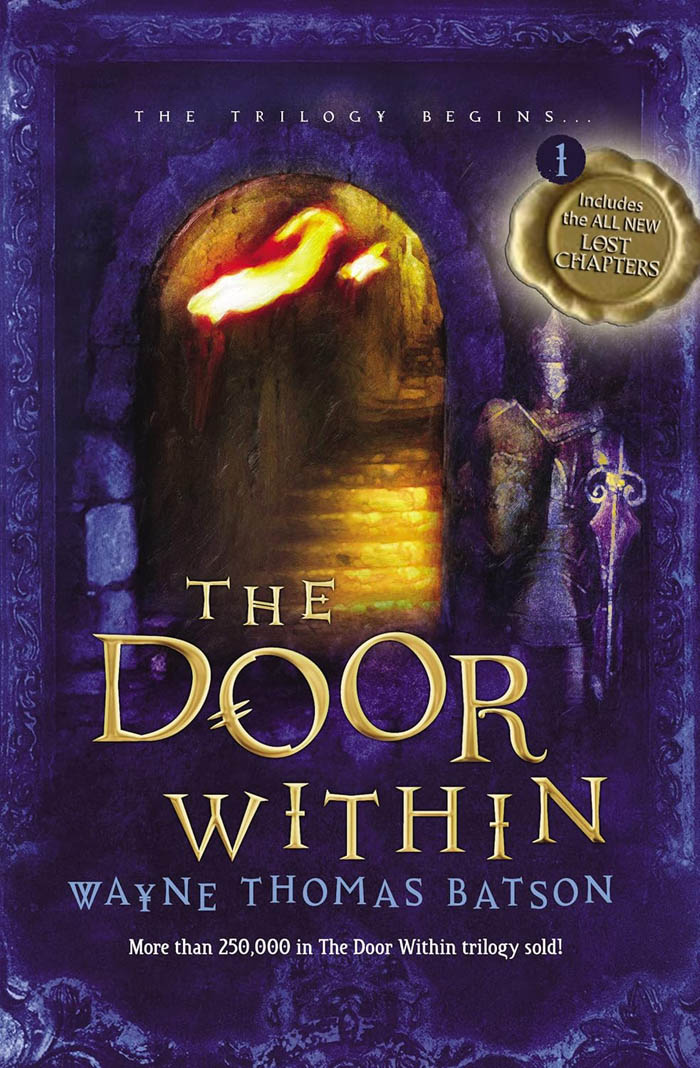
6. The Door Within

The Door Within Trilogy (Book 1)
by Wayne Thomas Batson

The Door Within book cover by Wayne Thomas Batson Christian fantasy book for kids

The Door Within is a fast-paced Christian fantasy adventure that introduces young readers to a hidden world where the battle between good and evil is very real.

The story follows Aidan Thomas, a boy who feels out of place after moving to a new town. While exploring his grandfather’s basement, Aidan discovers three ancient scrolls and a mysterious doorway that leads to another realm called Alleble. In this world, warriors serve a good King and stand against the forces of darkness threatening their land.

As Aidan begins training with the King’s warriors, he must learn courage, loyalty, and faith while facing powerful enemies. Along the way, he discovers that the choices he makes in this new world matter deeply.

Wayne Thomas Batson crafts an exciting fantasy story that clearly reflects biblical themes. The battle between light and darkness mirrors the spiritual battle described in Scripture, while the character of the King points readers toward the ultimate authority of Christ.

Kids who enjoy epic adventures, knights, and heroic quests often find this series hard to put down.

A great fit for:

• Kids who love epic fantasy worlds and heroic battles
• Readers who enjoy stories similar to The Chronicles of Narnia
• Families looking for adventure stories with clear Christian themes

Why parents like it:

• Strong themes of courage, faith, and standing for what is right
• Engaging story that keeps kids reading longer chapter books
• Introduces spiritual truths through an exciting fantasy world

You can read more about this book or see current pricing here:

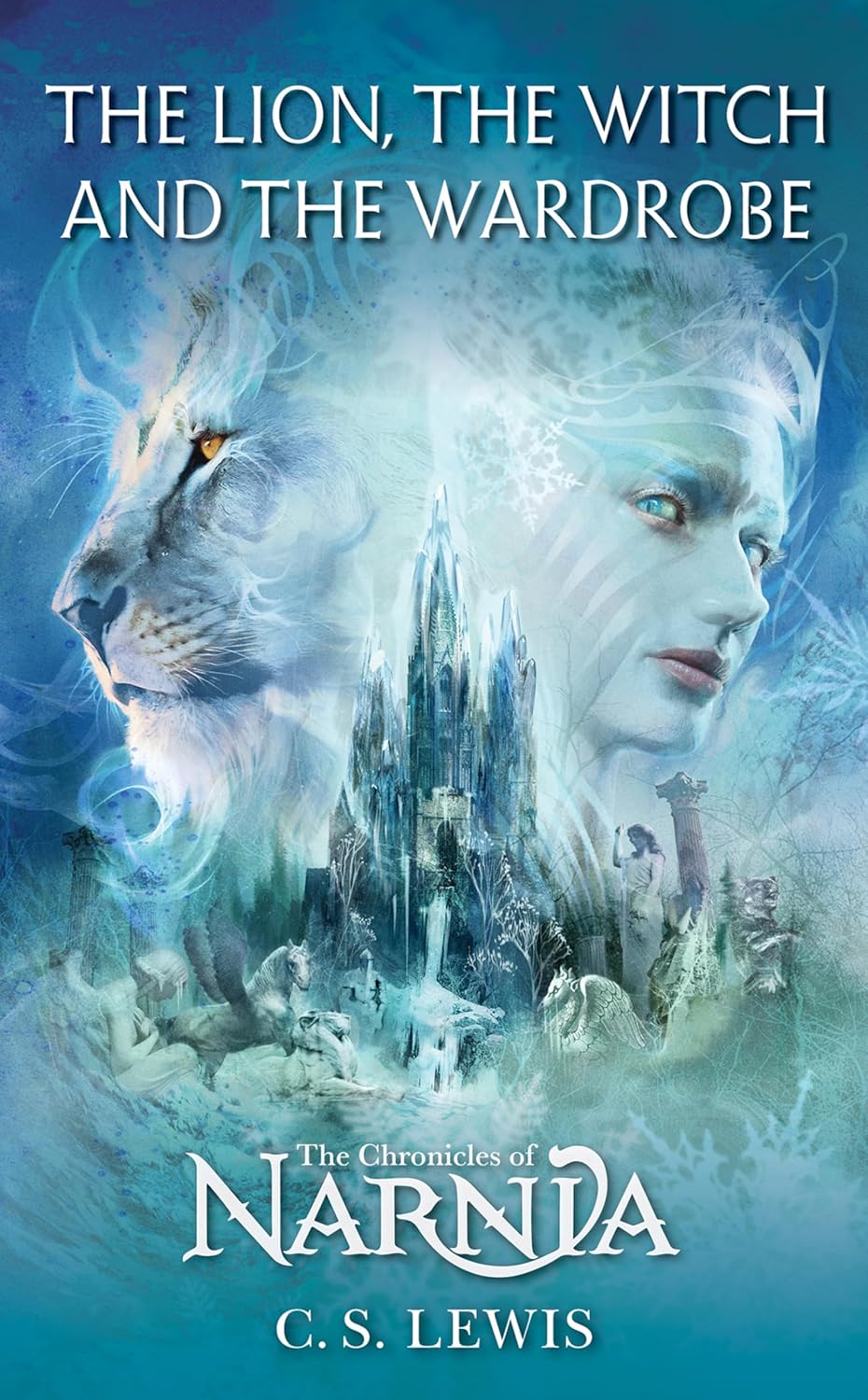
7. The Lion, the Witch and the Wardrobe

The Chronicles of Narnia
by C.S. Lewis

The Lion, the Witch and the Wardrobe book cover by C. S. Lewis featuring Aslan and the White Witch

The Lion, the Witch and the Wardrobe is one of the most beloved Christian fantasy stories ever written. First published in 1950, this classic tale has introduced generations of young readers to a magical world that reflects powerful biblical truths.

The story begins when four siblings discover a wardrobe that leads to the hidden land of Narnia. Once inside, they learn that the kingdom is trapped in an endless winter under the rule of the cruel White Witch.

As the children explore this mysterious land, they encounter talking animals, brave allies, and the majestic lion Aslan, the true King of Narnia. Through sacrifice, courage, and redemption, the story reveals deeper themes of forgiveness, restoration, and the triumph of good over evil.

While the story stands on its own as an exciting fantasy adventure, C. S. Lewis intentionally filled it with Christian symbolism. The character of Aslan reflects the sacrificial love and kingship of Christ, making the book both meaningful and memorable for Christian families.

Even decades after its release, The Lion, the Witch and the Wardrobe remains one of the most influential faith-inspired fantasy books for children.

A great fit for:

• Kids who love magical worlds and classic adventure stories
• Families looking for meaningful Christian symbolism in fiction
• Readers who enjoy talking animals, epic battles, and heroic quests

Why parents like it:

• Introduces deep spiritual themes through an engaging story
• Encourages discussions about sacrifice, forgiveness, and redemption
• A timeless classic many parents enjoyed as children themselves

You can read more about this book or see current pricing here:

If your child enjoys stories like these, you might also like our top choices for Christian chapter books for kids, where we share more engaging adventure stories and faith-friendly books for growing readers.

How to Choose a Good Fantasy Book for Kids

Every child connects with stories differently. Some readers enjoy epic adventures with complex fantasy worlds, while others prefer shorter stories with clearer symbolism and lessons.

When choosing a fantasy book for kids ages 8–12, parents may want to consider:

• Their child’s reading confidence
• Whether the book is part of a longer series
• The themes explored in the story
• Whether the story encourages thoughtful discussion

Some children may enjoy fantasy stories that explore faith themes directly, while others connect more naturally with stories that reflect those ideas through adventure and character development.

Frequently Asked Questions

What are Christian fantasy books?

Christian fantasy books are stories set in imaginative worlds that reflect Christian ideas such as courage, sacrifice, redemption, and the battle between good and evil. Some are written directly from a Christian worldview, while others use symbolism or allegory to explore similar themes.

Are fantasy books appropriate for Christian kids?

Many Christian families enjoy fantasy stories because they allow children to explore themes like courage, sacrifice, and the battle between good and evil through imaginative storytelling.

As with any genre, parents may want to review books beforehand to make sure the themes and content align with their family’s values. Many Christian fantasy stories intentionally reflect biblical ideas through allegory, symbolism, or a clearly Christian worldview.

What age are Christian fantasy chapter books best for?

Many Christian families enjoy fantasy stories because they explore moral choices, courage, and the struggle between good and evil. Some fantasy books are written intentionally from a Christian perspective, while others are simply clean adventure stories with positive themes.

What is the most popular Christian fantasy series for kids?

One of the most widely recommended Christian fantasy series for kids is The Wingfeather Saga by Andrew Peterson, which follows siblings on an adventurous journey filled with courage, loyalty, and hope.

Final Thoughts

Fantasy stories have a unique way of capturing a child’s imagination while exploring meaningful ideas about courage, sacrifice, truth, and hope.

The books listed above combine imaginative storytelling with themes that resonate with many Christian families. For children who enjoy adventure and creative worlds, these stories can provide exciting reading experiences while also encouraging deeper conversations about faith and character.

If your child enjoys imaginative stories filled with courage, adventure, and meaningful themes, these Christian fantasy books for kids are a wonderful place to start.

Let’s Be Friends!

Follow The Smartest Sprout on Facebook and Instagram! Discover the latest parenting tips, activity ideas, and more! Plus, get deal alerts on our favorite educational toys and healthy family essentials!

DIY Chore and Behavior Chart for Kids – The Ultimate System

DIY Chore and Behavior Chart for Kids – The Ultimate System

This post contains affiliate links. Read our affiliate disclosure here.

If you’re tired of nagging, negotiating, and repeating yourself 47 times a day, this DIY chore and behavior chart for kids might be exactly what your home needs.

This isn’t a cute printable that gets ignored after a week. It’s a powerful, visual system that combines chores, incentives, screen time rules, and sibling fairness into one clear structure. And because everything is visible and consistent, kids quickly understand what’s expected without constant reminders.

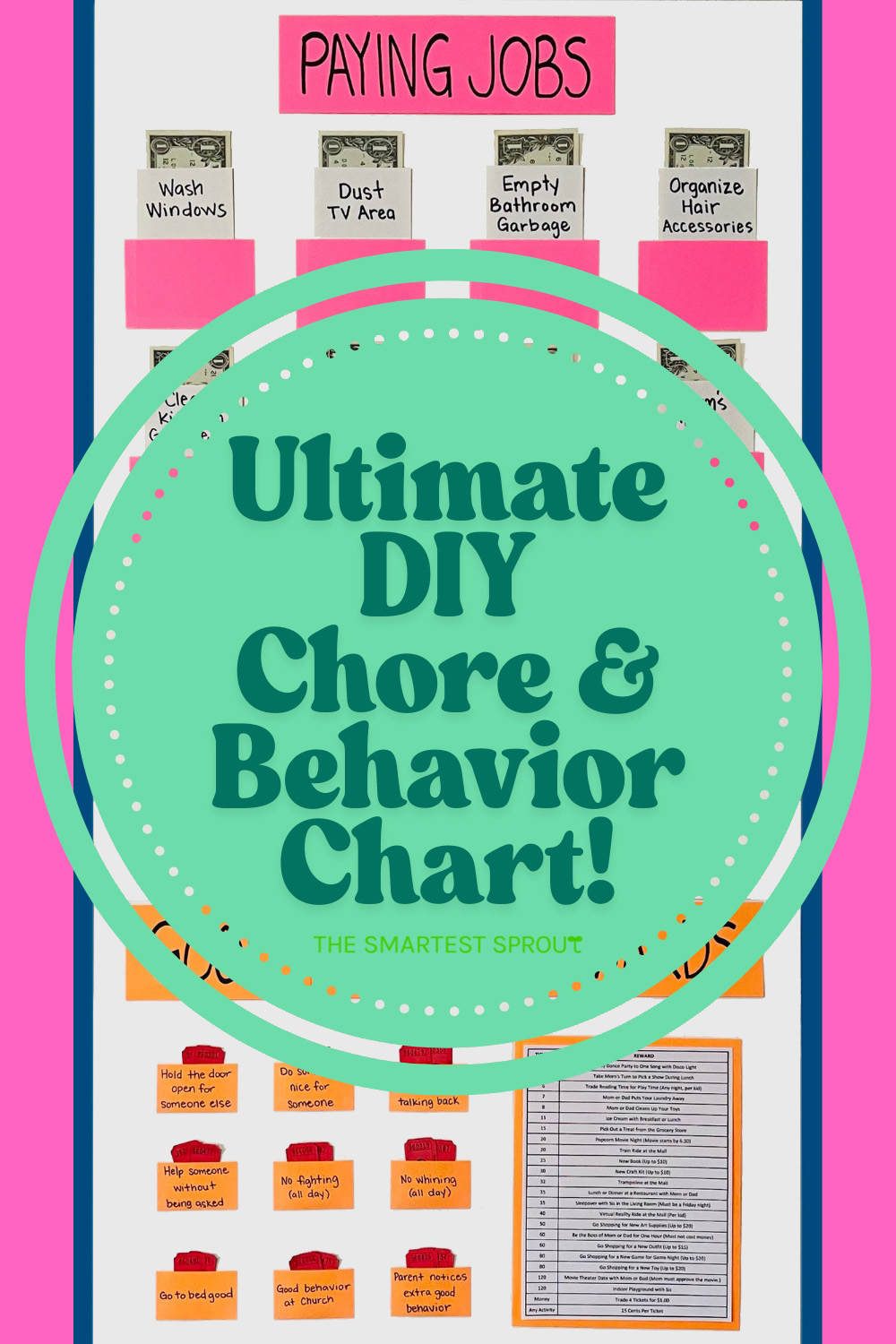
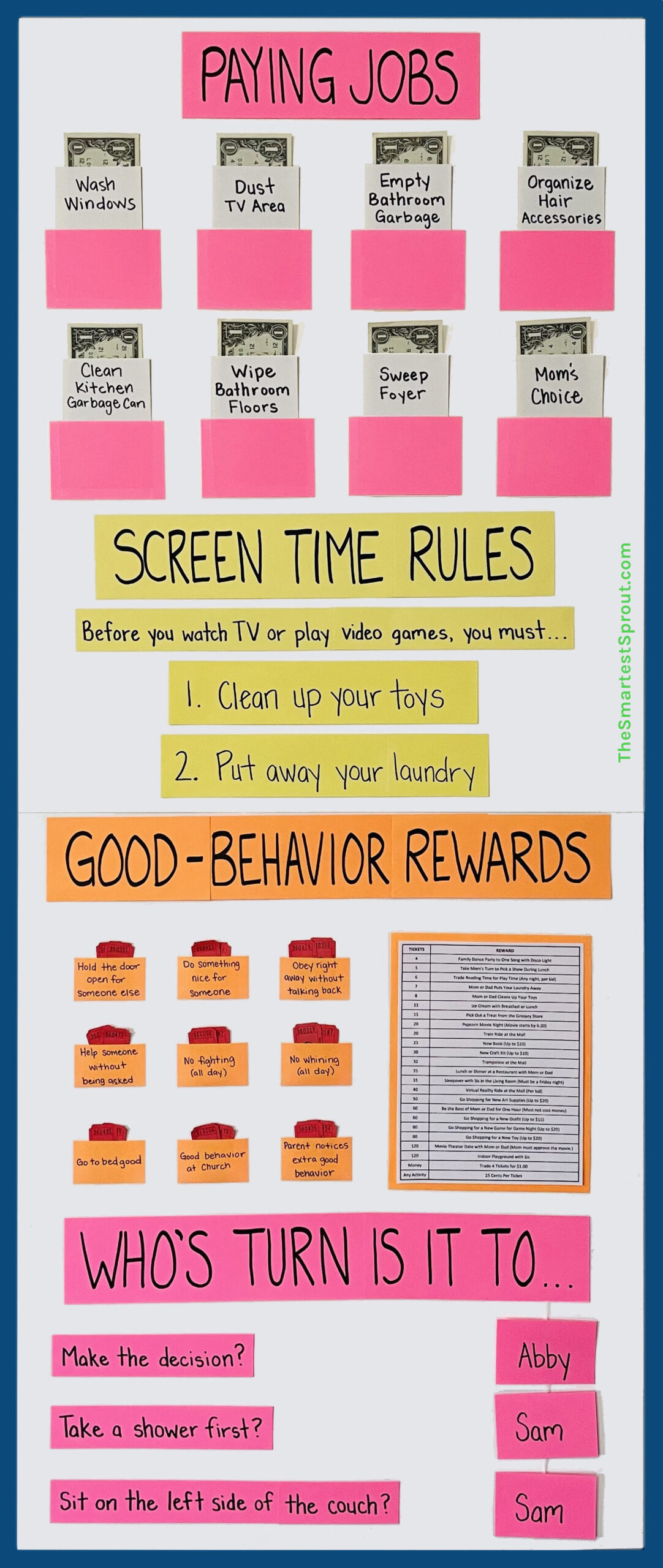
Ultimate DIY chore and behavior chart for kids with paying jobs, screen time rules, reward tickets, and sibling turn-taking system

Why Most Chore Charts for Kids Stop Working

A lot of chore charts fail because they:

  • Only focus on chores

  • Don’t separate required tasks from optional earning

  • Lack consistency

  • Rely only on punishment

  • Don’t address real-life friction points like screen time or turn-taking

Kids need clarity. They need to see what’s expected and what happens next. That’s exactly why a DIY chore and behavior chart for kids works better than a simple checklist.

When everything is verbal, it becomes a power struggle. When it’s visual, it becomes predictable.

What Makes This DIY Behavior Chart Different

This chart is divided into four sections that address everyday parenting pain points.

1. Paying Jobs

This section includes optional extra tasks kids can complete to earn money. You decide what job cards go with which dollar amounts, and kids can pick and choose at their leisure.

Examples:

  • Wash windows

  • Organize a closet

  • Vacuum the car

  • Deep clean a bedroom

This teaches:

  • Work equals reward

  • Initiative matters

  • Money is earned, not handed out

It also helps kids learn basic responsibility around earning.

2. Screen Time Rules

This might be the most powerful section. Instead of constantly arguing about devices, expectations are posted clearly.

Before screens are allowed, specific tasks must be completed. No ifs, ands, or buts. 

For example:

  • Clean up toys

  • Put away laundry

When it’s written down, there’s no debating what “clean enough” means. It removes emotion from the conversation.

3. Good Behavior Rewards

Positive reinforcement works better than constant correction.

This section includes small rewards that can be earned through consistent effort. Your kids can earn tickets for practicing certain good behaviors and save up the tickets to buy rewards. 

Ideas:

  • Pick the family movie

  • Choose dinner

  • Stay up 15 minutes later

  • Earn tickets toward a larger reward

The goal isn’t bribery. It’s reinforcing habits you want repeated.

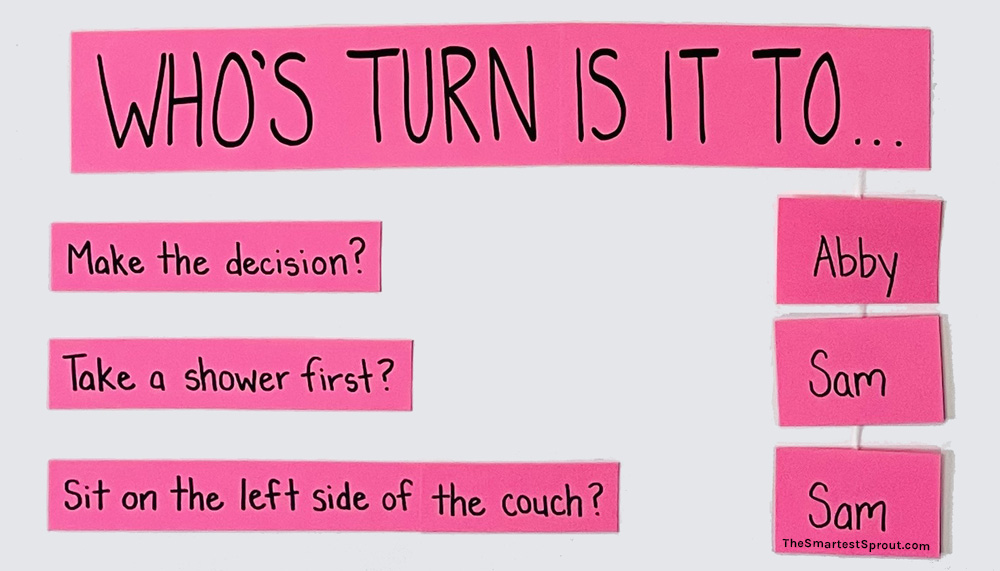
4. Who’s Turn Is It?

If you have multiple kids, this section eliminates daily arguments. The flaps rotate to show the name of the child who’s turn it is to do something next. 

Post answers to questions like:

  • Who picks the show

  • Who sits in the front

  • Who goes first

  • Who chooses the game

When it’s visible, fairness feels objective. No more “That’s not fair!”

How to Build the DIY Chore + Behavior Chart (Step by Step)

DIY chore and behavior chart for kids featuring paying jobs with money pockets, screen time rules, good behavior rewards with raffle tickets, and a sibling turn-taking system

Step 1: Gather Supplies

You don’t need anything fancy and you should already have most of these items around the house.

  • Two large poster boards 22″ x 28″

  • Black permanent marker

  • 3″ x 5″ index cards

  • Colored cardstock

  • Clear tape

  • Packing tape
  • Painter’s tape
  • Durable string or twine

  • Raffle tickets

  • Ruler

  • Scissors and/or paper cutter
  • Dollar bills
  • Microsoft Excel (Optional)

These simple materials are all you need to build this DIY chore and behavior chart for kids from scratch.

Step 2: Tape the Two Poster Boards Together to Make One Tall Board

  1. Lay both poster boards face down on the floor or large table, with the bottom board overlapping the top board about 1/8″ so that there is not a crack showing.
  2. Line up the edges so they match up evenly and form one tall board. Make sure you line them up so that the short edges are touching each other. This should be a very tall behavior chart.
  3. Place packing tape along the seam on the back.
  4. Create a decorative border by taping on strips of cardstock paper. (Optional)
  5. Flip the boards over (front side up).
  6. Add either one strip of packing tape across the front seam if desired.

Step 3: Create Your Section Headers

You’ll make four bold header strips, each are 3″ high:

  • Paying Jobs

  • Screen Time Rules

  • Good-Behavior Rewards

  • Who’s Turn Is It To…

  1. Cut large colored rectangles for each header.
  2. Write each title in large, bold letters.
  3. Tape each header to the board using clear tape.

Step 4: Build the Paying Jobs Section (Money Pockets)

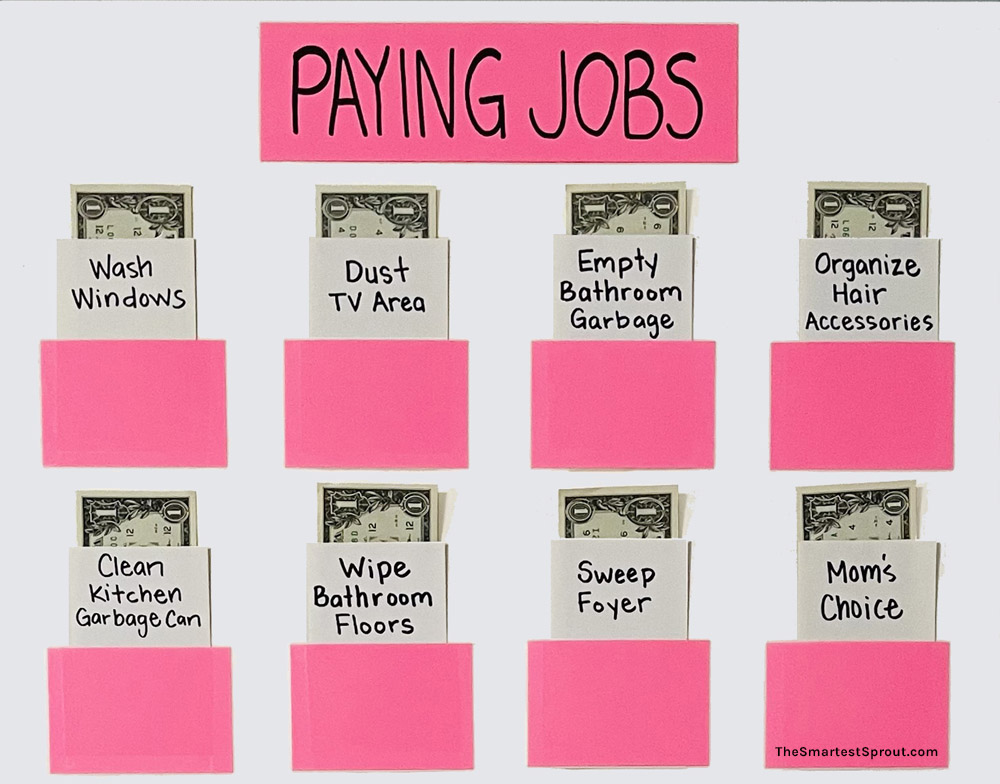
DIY chore chart for kids paying jobs section with paper money pockets taped on three sides for earning allowance

This section uses paper pockets cut from cardstock, sized to hold an index card and a dollar bill in each one. This section is about 17 1/8″ in height.

  1. Tape the “Paying Jobs” header at the top of the section.
  2. Cut 8 colored squares out of cardstock, 4″ wide x 2 3/4″ high.
  3. Arrange the squares neatly, in two rows of four. Leave enough space above each for the dollar bills to stick out without crowding.
  4. Tape the pockets onto the board, only taping the right, left, and bottom edge of each pocket.
  5. Write one job on the top half of each index card. You can use the examples below or create your own.
  6. Place one job card and one dollar bill in each pocket.

If you need help coming up with job ideas, here are a few I use in our home:

  • Wash Windows
  • Dust TV Area
  • Empty Bathroom Garbage
  • Organize Hair Accessories
  • Clean Kitchen Garbage Can
  • Wipe Bathroom Floors
  • Sweep Foyer
  • Mom’s choice

Step 5: Build the Screen Time Rules Section (Two-Step Checklist)

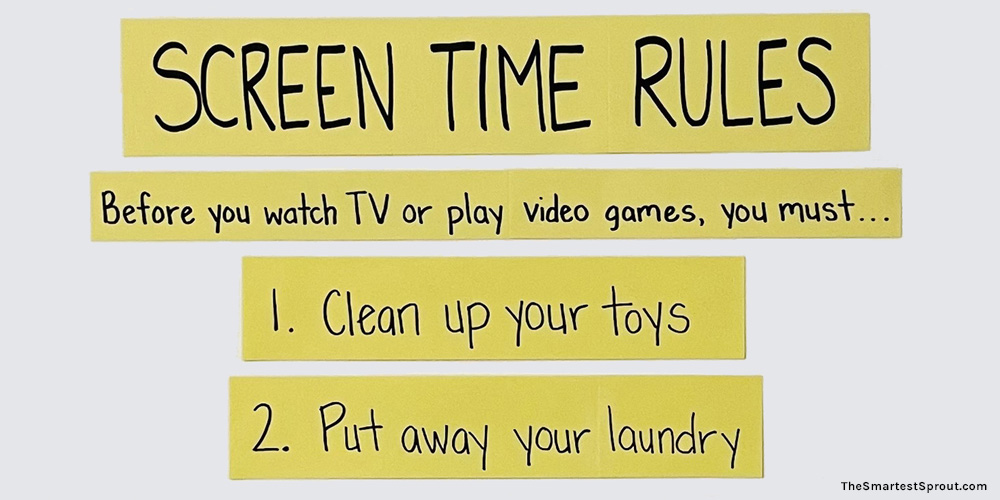
DIY screen time rules chart for kids showing required chores before TV and video games

This is a simple “you must do this before screens” list. This section is about 10 3/4″ high. Make sure to modify the screen time prerequisites to fit your family’s needs.

  1. Tape on “Screen Time Rules” header at the top of the section.
  2. On a strip of cardstock 1 1/2″ high, write “Before you watch TV or play video games, you must…”. Tape that strip below the section header.
  3. Using two more cardstock strips 2 1/4″ high, write your two screen time prerequisites and tape each one onto the chart.

If you need help coming up with screen time prerequisite ideas, we use the ones below:

  • Clean up your toys
  • Put away your laundry

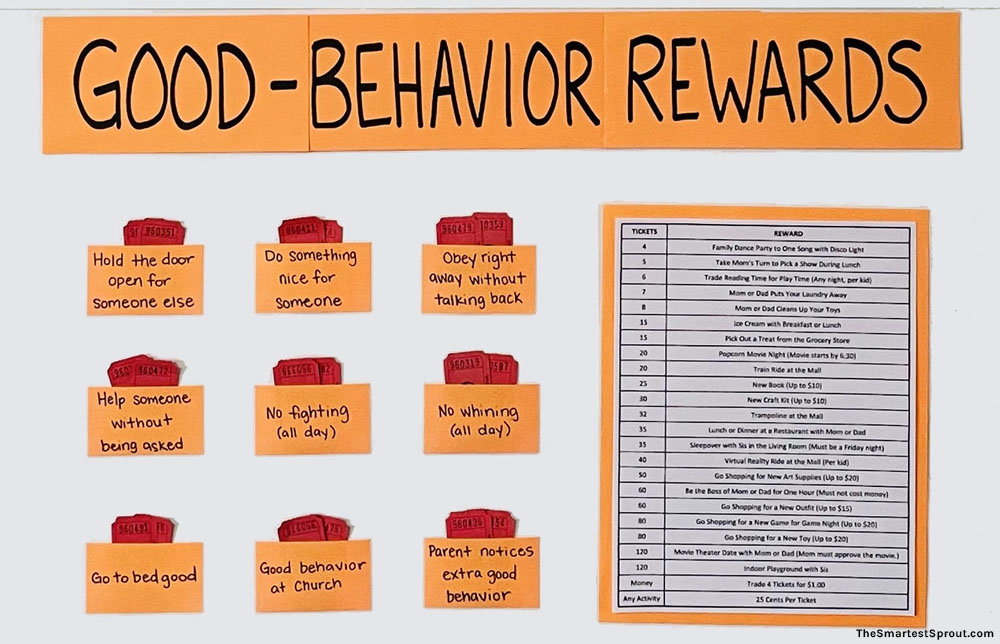
Step 6: Build the Good-Behavior Rewards Section (Ticket System)

DIY good behavior reward chart for kids with raffle tickets and positive behavior incentives

This section uses tangible rewards, that can be bought with good behavior tickets. Children can earn one ticket each time they show specific positive behaviors. This section is about 14 1/4″ high.

  1. Tape the “Good-Behavior Rewards” header to the top of the section.
  2. Similar to the “Paying Jobs” pockets, cut out and arrange 9 good behavior pockets, 2 1/2″ wide x 1 1/2″ high, and tape them to the board.
  3. On each pocket, write one good behavior your child needs to do in order to earn that ticket. Have several raffle tickets sticking out of each pocket. If you don’t have any tickets, you can create your own or buy them here on Amazon.

If you need ideas on what good behaviors to include, here are the ones I use:

  • Hold the door open for someone else

  • Do something nice for someone

  • Obey right away without talking back

  • No fighting (all day)
  • No whining (all day)

  • Help someone without being asked

  • Go to bed good

  • Good behavior at church
  • Parent notices extra good behavior

Next, you’ll need to make the rewards chart and tape it onto your poster board. You can make this by hand or with Microsoft Excel. The purpose of the rewards chart is to show all of the good behavior rewards available, and how many tickets each reward costs. I like each ticket to be worth about 25 cents for each reward that holds a monetary value.

Here are some of my favorite rewards we use at home:

  • 7 tickets = Mom or dad puts your laundry away
  • 20 tickets = Train ride at the mall
  • 25 tickets = New book (Up to $10)

My rewards chart is 6 1/2″ wide x 8 1/2″ high, and I put a cardstock border around it for decoration.

Step 7: Build the Who’s Turn Is It Section (Fairness Tracker)

DIY kids turn taking chart to prevent sibling arguments and track decision order

This section prevents daily arguments by showing who gets what. The footprint for this section is 12 1/4″ high.

  1. Tape the “Who’s Turn Is It To…” header to the top of the section. 
  2. Write the question strips, cut them out and tape onto the poster board. The strips on my example are 1 1/2″ high. 
  3. Cut out three rectangles from the cardstock, 3 1/2″ wide x 2 1/4″ high. Write one child’s name on three of the rectangles and your other child’s name on the remaining three rectangles. Cut three pieces of durable string or twine, each about 3 1/4″ long. Sandwich each piece of string between two of the opposite children’s names, back to back and secure with tape. Leave an inch of string hanging out of the top as a tail. Tape the tail of the string to the poster board. Please note this particular setup will only work with two children. Optional: Use velcro dots to secure instead of string.

Step 8: Hang It Up!

Hanging this large of a poster may feel daunting, but it doesn’t need to be. I hung mine up with a bunch of painter’s tape circles on the back and pressing it firmly against the wall. So far, it’s held up for nine months without falling once.

How to Introduce Your Kids to the Chore and Behavior Chart

How you introduce the chart matters almost as much as how you build it.

Don’t roll this out in the middle of frustration or after a rough day. A new system introduced during a meltdown will feel like punishment.

Instead:

  1. Gather your kids together when everyone is calm.
  2. Stand next to the chart and walk through each section. 
  3. Explain what is required daily and what is optional.
  4. Clarify what earns money and what earns rewards. 
  5. Explain how the turn taking prevents arguments.

Be confident and matter-of-fact. Avoid sounding apologetic or uncertain.

You might say something like:

“This is how we’re going to keep things running smoothly in our house. The chart shows what needs to be done, what you can earn for doing jobs and having good behavior, and how we’ll decide turns.”

Let them ask questions and clarify your expectations. Most importantly, follow through. If screen time requires toys cleaned up first, stick to it every single time. Consistency is what makes the chart powerful.

Why Visual Systems Work for Kids

Children process structure visually far better than verbally. When expectations live only in your voice, they feel flexible and emotional. When expectations are written down, they feel clear, predictable, and fair.

If you’re working on building consistency at home, the right discipline philosophy matters just as much as the structure you use.

That’s what makes this DIY chore and behavior chart for kids so effective.

A visual system reduces:

  • Repeated reminders

  • Power struggles

  • “You never told me!” arguments

  • Sibling fairness debates

It also builds independence. Instead of constantly asking, “What do I need to do?” kids can look at the board and answer their own question. And over time they begin to internalize the routine.

That’s the goal. Not just compliance, but ownership.

Unlike printable chore charts that get ignored after a week, this DIY chore and behavior chart for kids becomes part of your daily rhythm. It removes emotion, reduces negotiation, and builds responsibility through structure instead of reminders.

Final Thoughts

No chore chart will magically eliminate every complaint or argument. Kids will still have moments when they push back or test boundaries. That’s normal.

What a clear, consistent system does provide is structure. And structure reduces friction.

This ultimate DIY chore and behavior chart works because it separates required responsibilities from optional earning opportunities. It makes screen time expectations visible instead of negotiable. It reinforces positive behavior instead of focusing only on correction. And it builds fairness directly into everyday decisions that typically cause sibling conflict.

When expectations are posted and consistently followed, the emotional temperature of the home often drops. You are no longer repeating yourself constantly. Your kids are no longer guessing what counts. The board becomes the reference point instead of you.

The effort it takes to build the chart is small compared to the daily energy it can save. Clear expectations, visible rewards, and consistent follow-through create a calmer, more predictable environment.

And in a busy home, predictability can make all the difference.

Let’s Be Friends

Follow The Smartest Sprout on Facebook and Instagram! Discover the latest parenting tips, activity ideas, and more! Plus, get deal alerts on our favorite educational toys and healthy family essentials!
Pin It on Pinterest