
The Best Bible Workbooks for Kids (Honest Review and Comparison)
This post may contain affiliate links and other material connections. Read our disclosure here.
In recent years, many new Christian workbooks, theology workbooks, and Bible activity books for kids have been published, especially online. Some are very well made, while others feel rushed, confusing, or not as carefully written. Because of this, for parents to know which ones actually teach something meaningful and which ones are mostly just busywork.
Some books focus on theology, some focus on Bible stories, and others are more like activity books with light devotional content. These types of books are often grouped together, and the terms workbook and activity book are sometimes used interchangeably, even though they are not always designed the same way. Because of this overlap, I included both in this review. All of them can be helpful, but the format, depth, and overall quality can vary quite a bit.
In this review, I compared several popular Christian workbooks and activity books for kids to see how they actually look inside, how clear the lessons are, and which ones are easiest for children to use at home.
Books Included in This Comparison
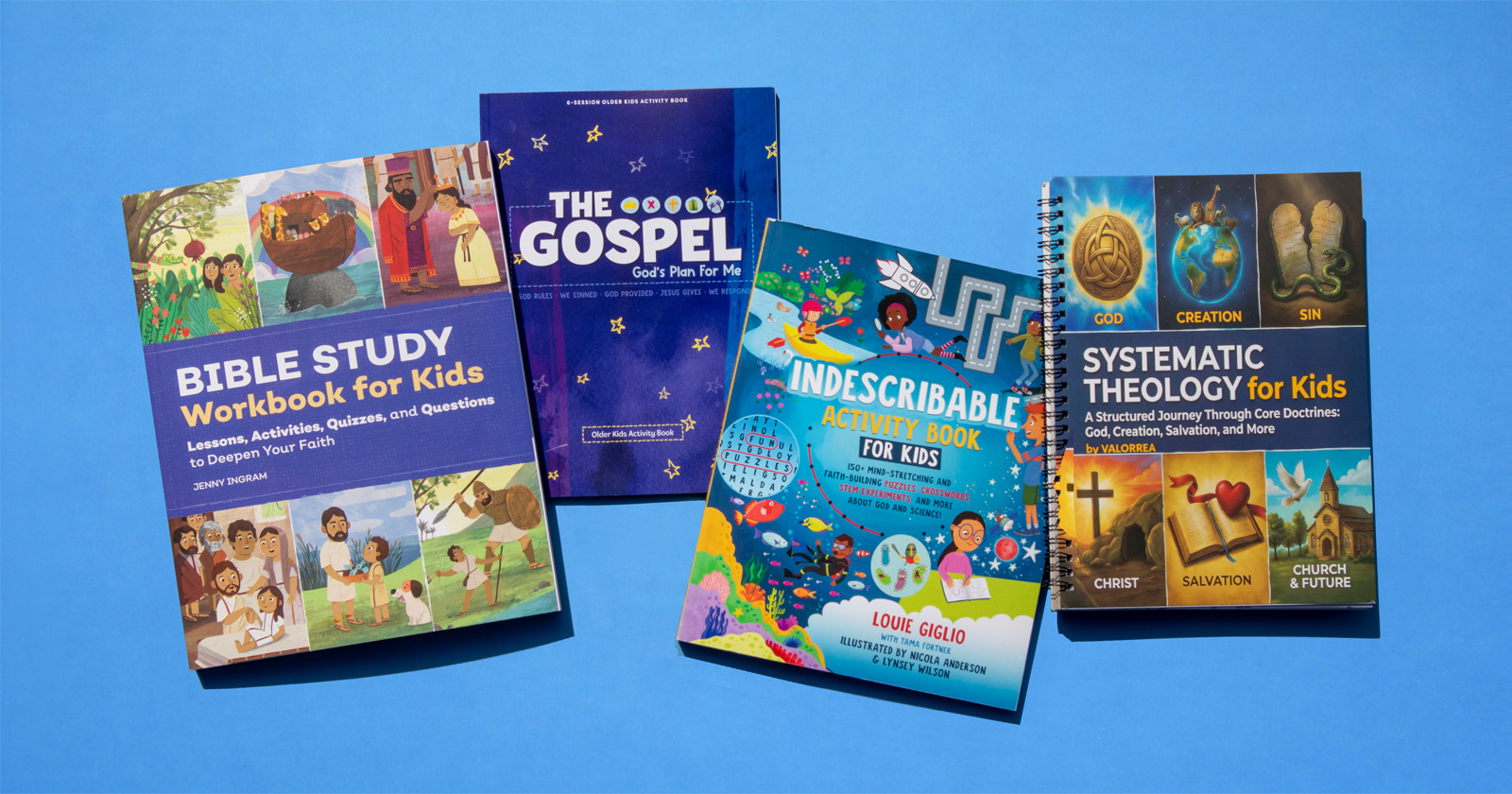
For this comparison, I looked at the following books:
- Bible Study Workbook for Kids by Jenny Ingram
- Systematic Theology for Kids by Valorrea
- Indescribable Activity Book for Kids by Louie Giglio
- The Gospel: Older Kids Activity Book by Lifeway
These books all fall into the general category of Christian workbooks, Bible workbooks, or activity books for kids, but they’re designed for slightly different purposes.
Some focus mostly on systematic theology and follow a more structured, academic approach, while others are more creative and activity-based.
If you’d like a clearer explanation of what systematic theology means and how it fits into Christian learning, you may also want to read: What Is Systematic Theology for Kids?
Now let’s take a closer look at each book and what it offers.
Bible Study Workbook for Kids
Lessons, Activities, Quizzes, and Questions to Deepen Your Faith
by Jenny Ingram
This workbook is one of the most organized and professionally designed books in this comparison.
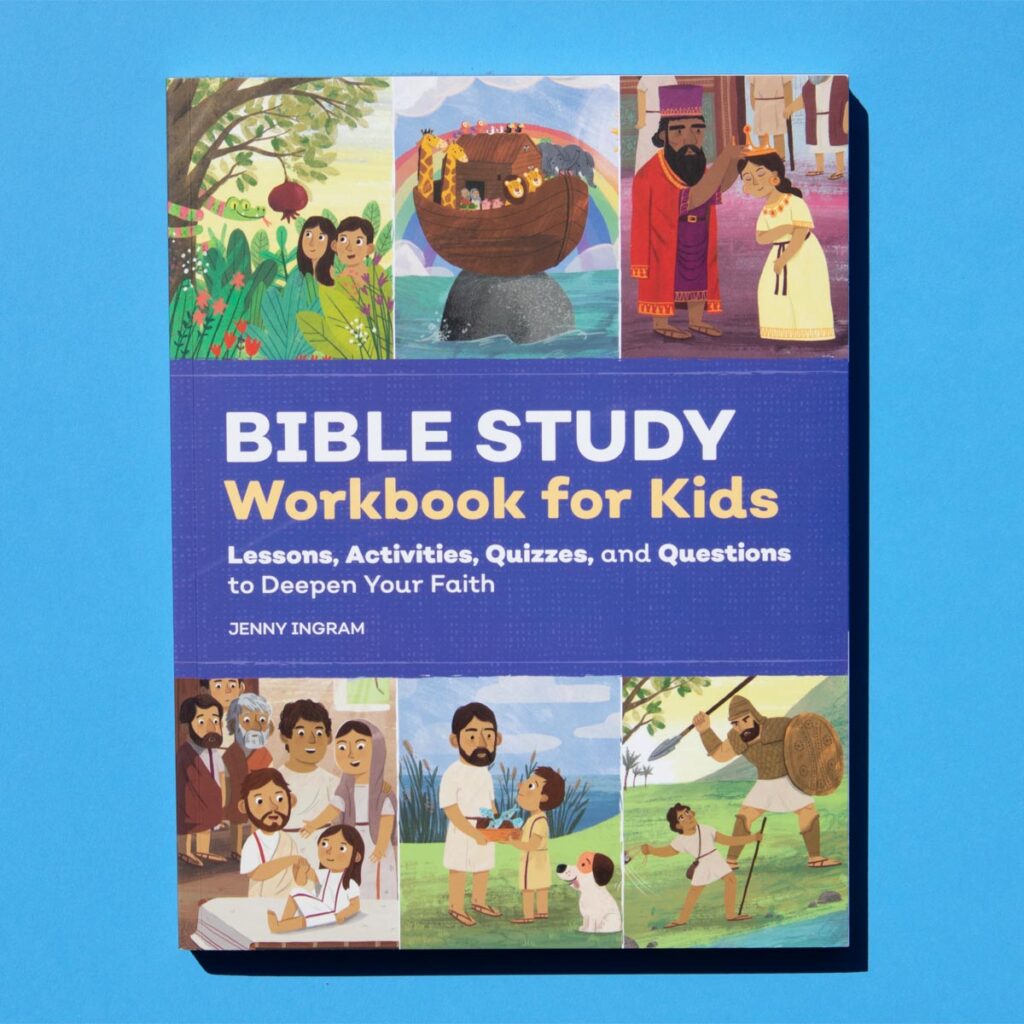
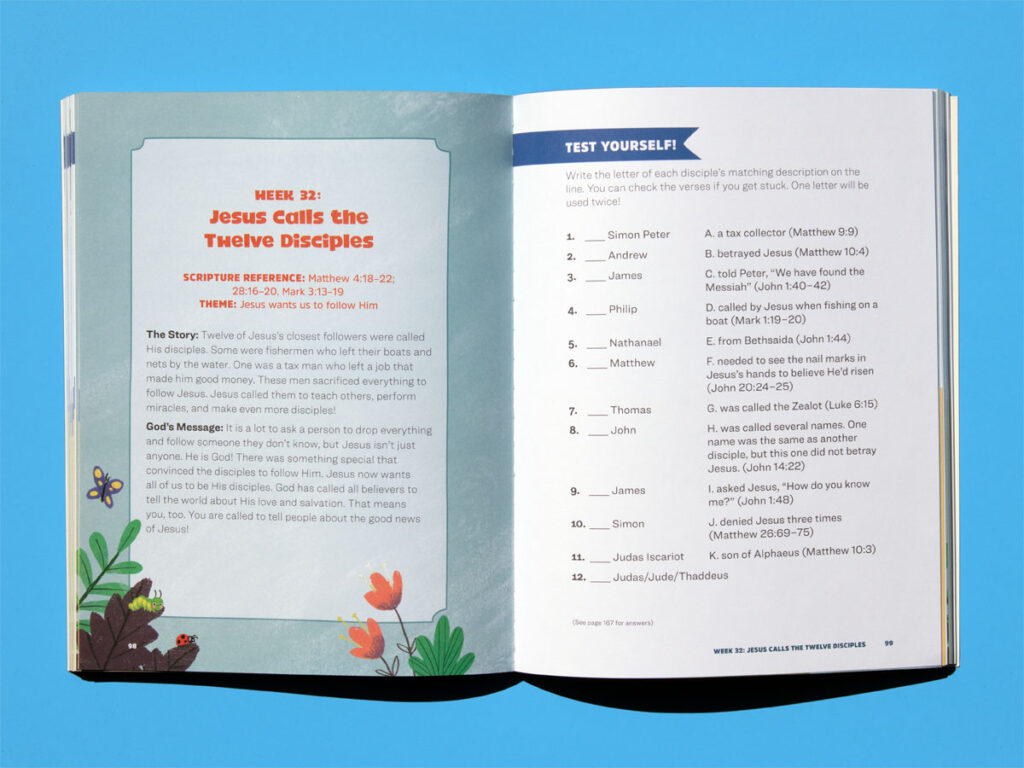
Each lesson follows a clear structure. A weekly theme is introduced with a Bible story, followed by a short paragraph called “God’s Message” that explains what the child should learn from the story. After that, there is a worksheet and a hands-on activity related to what was just read. The activities include things like trivia, fill-in-the-blank questions, simple experiments, drawing, and discussion questions.
The writing is very clear and easy to understand, but still feels thoughtful and accurate to Scripture. The lessons are short enough to keep a child’s attention while still teaching something with depth.
One thing I liked about this workbook is that it feels intentional. You can tell the author really wants to help kids learn about the Bible. The instructions are easy to follow, and each lesson has a clear point. It also includes discussion questions, which makes it useful for parents who want to talk through the lesson with their child.
Overall, this is a very strong choice for families who want a structured workbook that actually teaches something, not just busywork.
The only small issue I noticed was a minor formatting detail in the Week One activity where the mix of uppercase and lowercase letters could be confusing for younger readers, but this was a one-time problem and did not affect the overall quality.
Best for:
- kids who like clear instructions
- homeschool or home Bible time
- parents who want real teaching, not just activities
Systematic Theology for Kids
A Structured Journey Through Core Doctrines: God, Creation, Salvation, and More
by Valorrea
This workbook looks like it should be very strong based on the title, but in practice it was the weakest book in this comparison.
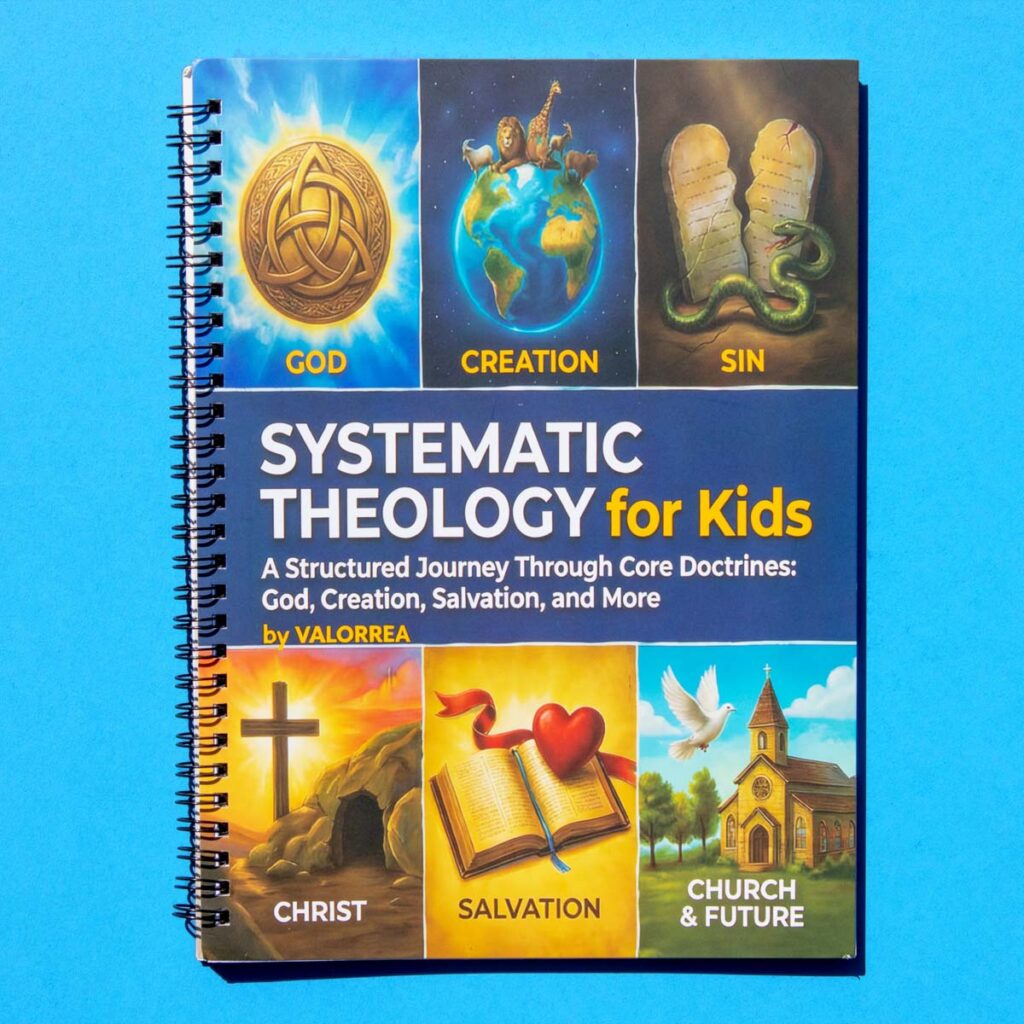
The biggest problem is that the lessons feel repetitive and poorly organized. Many of the weekly themes are very similar, such as asking whether different Bible characters were real people or just stories. Some topics appear more than once, and the overall flow doesn’t feel carefully planned.
The writing also feels uneven. Some sections include good ideas, especially when talking about evidence for the Bible, but other parts feel rushed or unclear. In several places, the wording sounds like it may have been generated quickly without careful editing, and there are a few small formatting issues and missing words that make parts of the text harder to follow.
Another issue is that the activity at the end of each lesson is always the same. Instead of a variety of activities, each lessons asks the child to write out answers in their own words. This can become repetitive and may not hold a child’s attention very well.
Although the book is labeled as systematic theology, many of the lessons focus more on apologetics-style questions than on teaching the main parts of Christian doctrine. This is not necessarily bad, but the way it’s presented feels inconsistent.
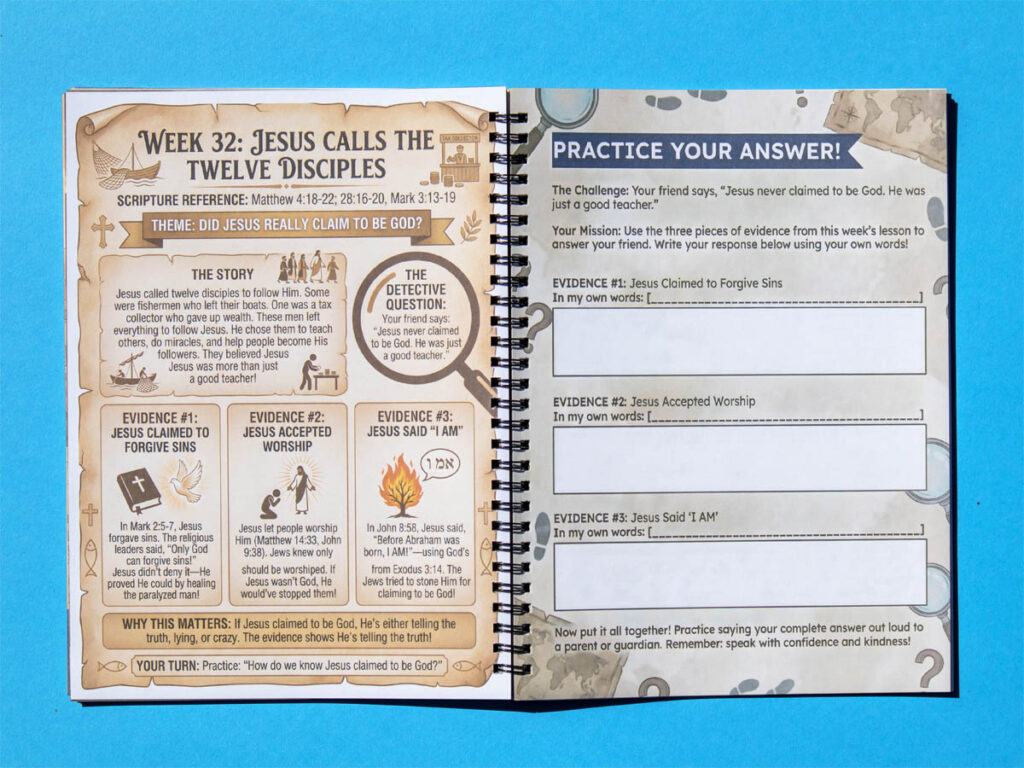
Because of these issues, this workbook is hard to recommend, especially when there are other options that are clearer and more thoughtfully written.
Best for:
- older kids who enjoy writing answers
- parents willing to guide every lesson
Harder to recommend for:
- independent work
- younger children
- families looking for clear structure
Indescribable Activity Book for Kids
150+ Mind-Stretching and Faith-Building Puzzles, Crosswords, Stem Experiments, and More About God and Science!
by Louie Giglio
This book is very different from the others. It’s more of an activity book than a theology workbook.
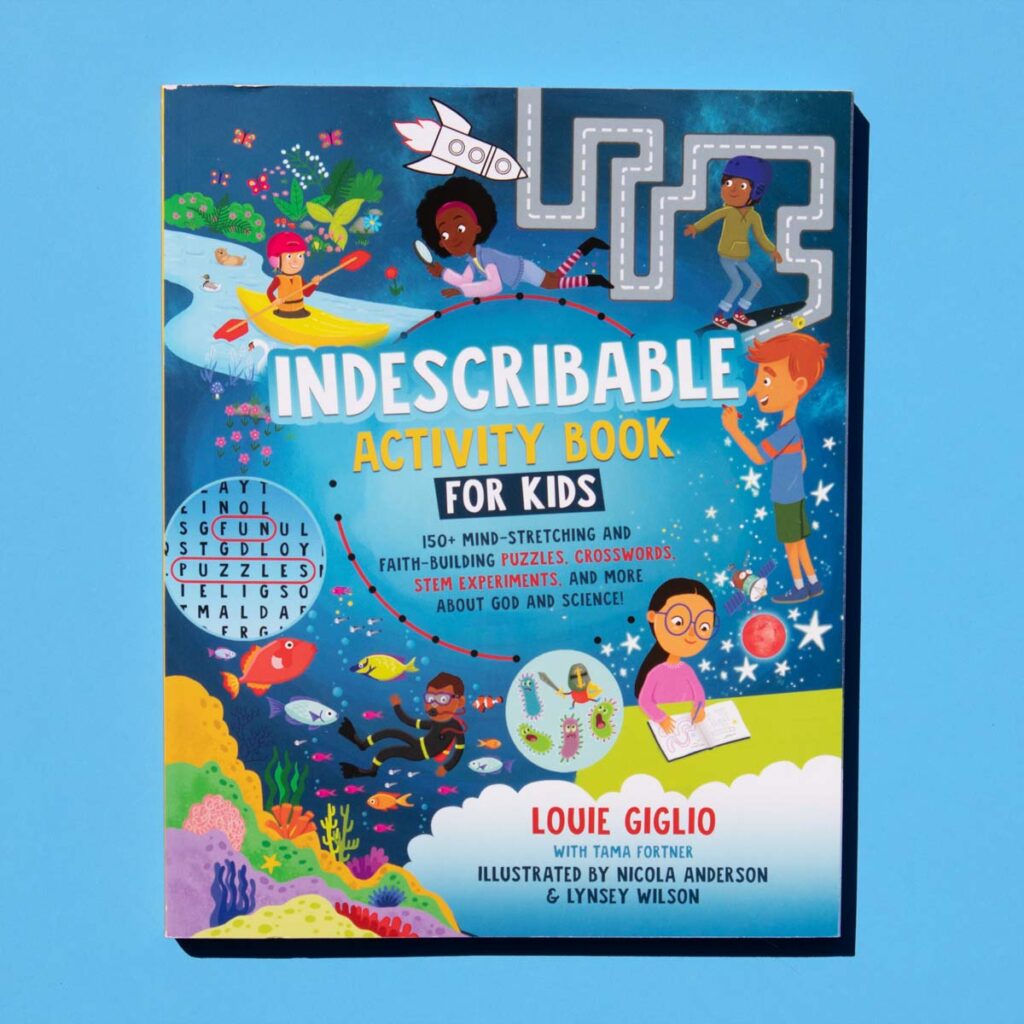
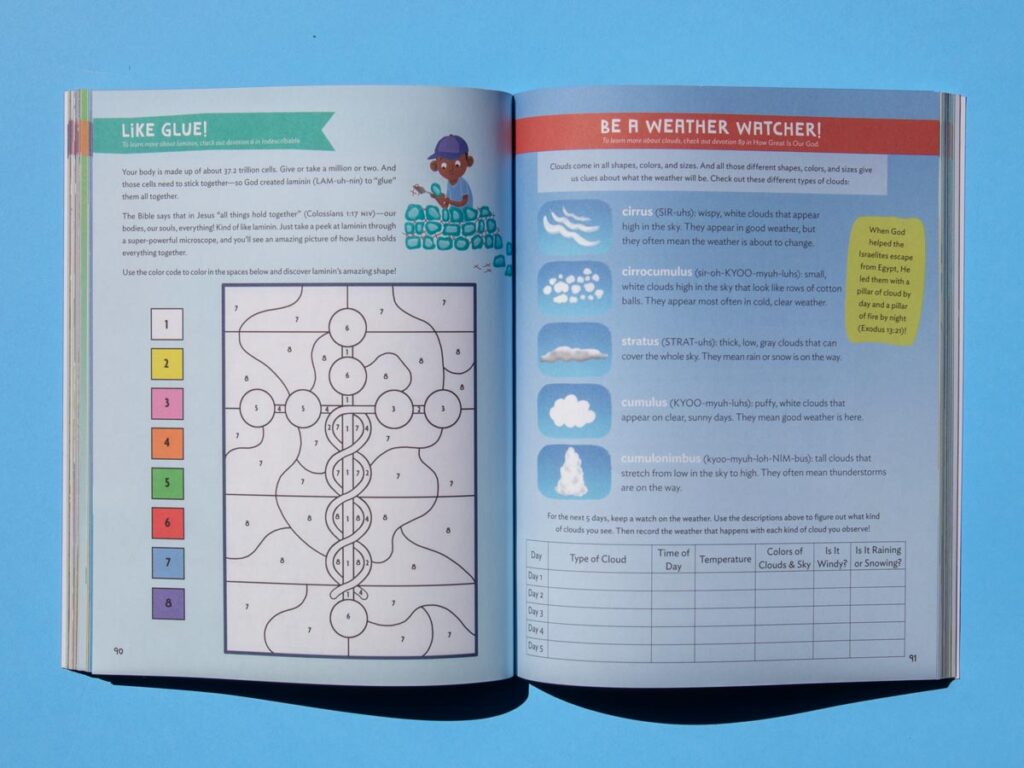
The illustrations are excellent, and the pages are colorful and engaging. There is a wide variety of fun activities, including puzzles, drawing, mazes, simple science experiments, and creative projects. Kids who enjoy science or activity books will probably like this one a lot.
Compared to the other books in this comparison, the theology content is lighter, and the focus is more on science and nature themes. The lessons do connect to biblical ideas, but the main goal of the book seems to be helping kids see how science relates to God’s creation through fun and engaging activities rather than teaching detailed theology.
This is a fantastic activity book, and it does exactly what it’s designed to do. However, if your main goal is to teach theology, you will probably want to use it alongside another workbook that focuses more directly on Christian doctrine.
It could be a good choice for:
- science or nature lessons
- fun homeschool activities
Best for:
- fun learning
- younger kids
- creative activities
Not ideal for:
- deep theology study
- structured lessons
The Gospel: Older Kids Activity Book
God’s Plan for Me
by Lifeway
This book has a good balance of reading, worksheets, and devotional content, but it feels like it was designed more for a church or classroom setting than for independent use at home.
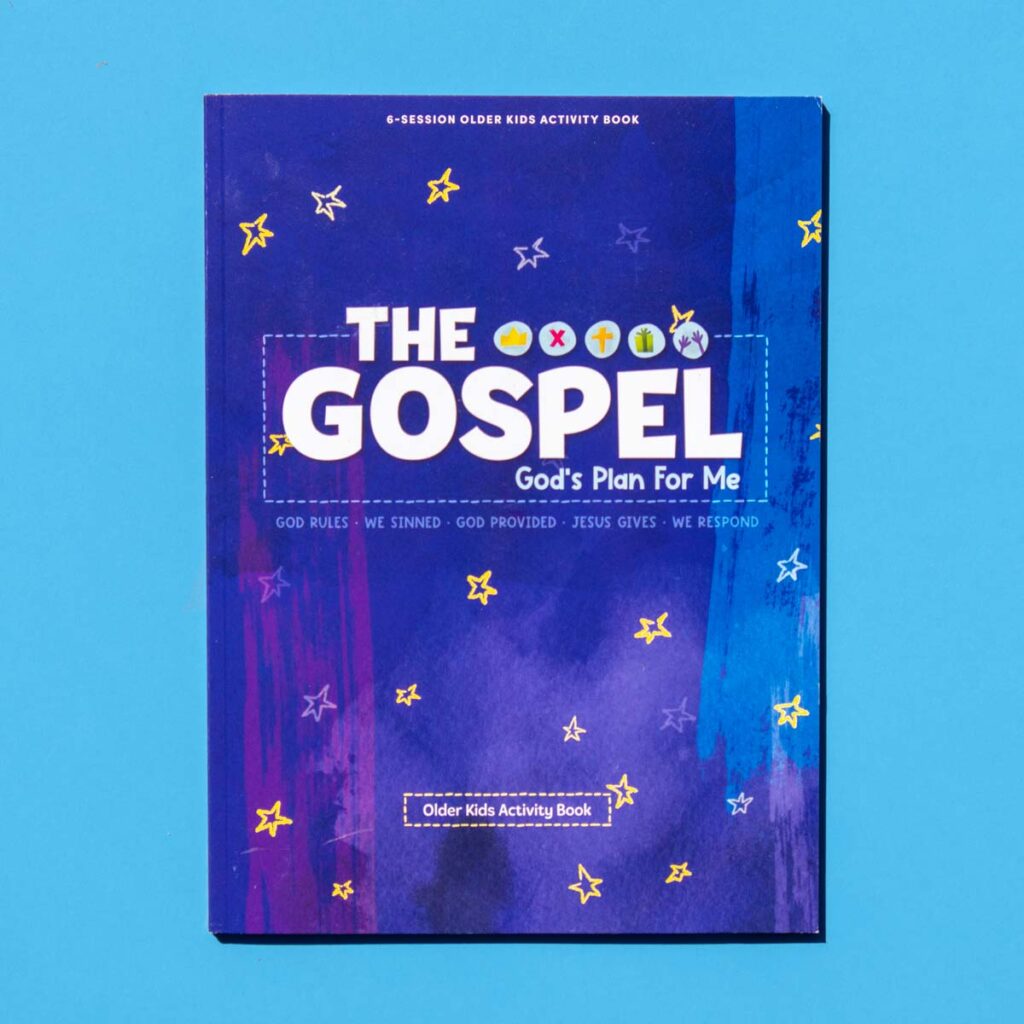
Each lesson includes a Bible story, activity pages, and journaling or reflection questions. The explanations of the stories are clear and cover important parts of the gospel, including creation, sin, salvation, and the life of Jesus.
One thing I noticed is that the lessons can be long. Each session includes several pages, and it may be hard for some kids to complete the entire lesson at one time. Breaking the lessons into smaller sections might make it easier to use at home.
Another issue is that some activities refer to a “leader” or assume that extra instructions will be given. Though a child can complete most of the pages on their own, without the leader guide, certain pages can feel confusing, and it may not always be clear what the child is supposed to do.
At the time of writing this post, the Amazon product description did not clearly mention that a separate leader guide would be required for some lessons. This could be confusing for parents who expect the workbook to be fully self-contained.
Because of this, the book works best when a parent, teacher, or group leader is guiding the lesson with the leader guide in hand.
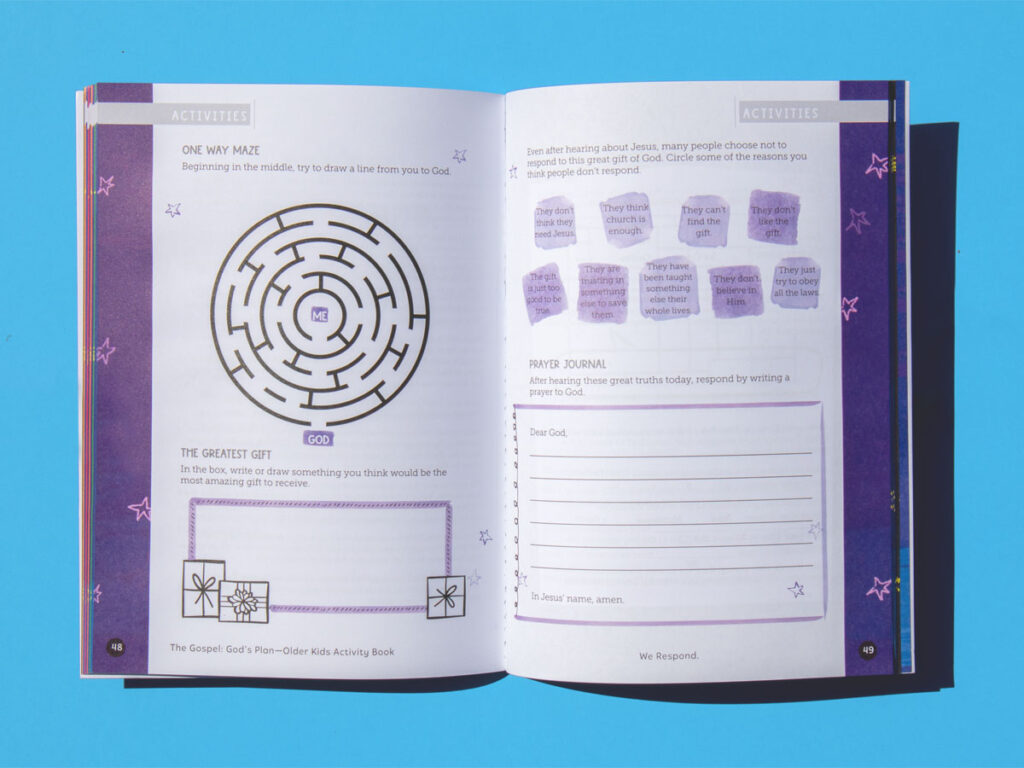
With that in mind, it can still be a good workbook, but families should know that it may require extra help to use fully.
Best for:
- church classes
- homeschool with parent guidance
- kids who like structured lessons
Less ideal for:
- independent workbook use
- younger children with short attention spans
When Workbooks Work Well
Workbooks can be very helpful for kids who like structure and clear instructions. They give children something to do with their hands while they learn, and this can make learning feel more manageable, especially for children who need clear direction. They can also make Bible lessons feel more simple to follow.
Workbooks are often a good choice for:
- homeschool lessons
- church classes
- short daily Bible time
- kids who enjoy worksheets
Some workbooks focus on theology, some focus on Bible stories, and some are more activity-based. Choosing the right one depends on how your child learns best.
If you are wondering whether workbooks are enough for teaching theology on their own, you may also want to read: Are Bible Workbooks Enough for Kids?
When a Workbook May Not Be the Best Fit
Not every child learns best by filling in blanks or completing activity pages. Some kids understand ideas better when they read, ask questions, or talk through what they are learning.
Workbooks are usually designed to teach in short pieces. That can be helpful, but it can also mean the explanations stay very simple. This can leave important questions only partially answered.
For children who ask a lot of questions or want to understand what the Bible teaches and why Christians believe it, a book with longer explanations may be a better fit.
Best for Deeper Learning: A Chapter Book Approach
For those children, a chapter-book approach can sometimes work better than a workbook.
Books written this way usually spend more time explaining why Christians believe certain things, not just what the Bible says. They can explore topics like suffering, different religions, and how we know the Bible is true, helping kids understand their faith more clearly.
One example of this type of book is The Wondering Place. Instead of worksheets, it teaches both theology and apologetics through short chapters that answer common questions kids have about God, the Bible, and Christianity. Each chapter is written in simple language but goes further than most workbook lessons and includes discussion questions instead of write-in activities.
The book also includes a glossary that explains key terms, helping children understand the lessons even if they don’t have much background in Christian theology. It also helps them see how those ideas connect.

This kind of format can work well for homeschool, family Bible time, or for kids who enjoy reading more than completing workbook pages. It may not be the best fit for children who only want puzzles or activities, but it can be a good option for families who want a stronger understanding of what Christians believe and why those beliefs are true.
Best for:
- kids who like chapter books
- deeper discussions about faith
- homeschool or family Bible study
- children who ask a lot of questions
Not ideal for:
If you are interested in books that help kids understand Christian beliefs more clearly, including answers to big questions about God, the Bible, and why we believe these things, you can see my full list here: The 5 Best Christian Apologetics Books for Kids
Final Ranking
Best structured workbook — Bible Study Workbook for Kids by Jenny Ingram
Best activity book — Indescribable Activity Book for Kids by Louie Giglio
Best for church or guided lessons — The Gospel for Older Kids Activity Book by Lifeway
Hard to recommend — Systematic Theology Workbook for Kids by Valorrea
Best for deeper learning — The Wondering Place by Jackie Burns
Final Thoughts
There are many Christian workbooks for kids available right now, and they’re not all the same. Some are carefully written and easy to use, while others feel repetitive or unclear.
The best choice depends on your child’s age, attention span, and learning style. Some kids do well with worksheets, while others learn more from reading and discussion.
Taking time to look inside the book before buying can make a big difference, especially when you want something that will really help your child understand their faith.
The goal is not just to complete lessons, but to help children understand what they believe and why. Choosing the right kind of book can make a lasting difference in how their faith grows over time.
Frequently Asked Questions
What is the difference between a Bible workbook and an activity book?
A Bible workbook usually teaches specific lessons about the Bible, Christian beliefs, or theology, often with questions, worksheets, or short reading sections. These books are designed to help children understand what the Bible teaches and why those teachings matter.
An activity book is usually more focused on fun exercises like puzzles, coloring, mazes, or games, with Bible verses or themes included. These can be great for younger children or for extra practice, but they may not go as deep as a structured workbook.
Both types can be helpful, depending on whether your goal is learning, review, or simply keeping kids engaged with biblical topics.
Are theology workbooks good for children?
Theology workbooks can be very helpful for children when they are written at the right level. Good theology books for kids explain big ideas in simple, clear language without making the material confusing or overwhelming.
However, not every workbook labeled “theology” is actually well organized or easy to understand. Some books repeat the same ideas, skip important explanations, or use wording that feels unclear. This is why it is important to choose books that are carefully written and designed specifically for children, not just simplified versions of adult material.
What age should kids start learning theology?
Children can begin learning basic theology as soon as they’re able to understand simple Bible stories and ask questions about God. For many families, this starts around ages 6–8, when kids naturally begin wondering why Christians believe certain things.
At this age, lessons should be short, clear, and easy to follow. As children get older, they can handle more detailed explanations about topics like salvation, the reliability of the Bible, prayer, and life after death. The key is to choose books that match the child’s maturity level instead of jumping into material that feels too advanced or confusing.
Is a workbook or a chapter book better for learning the Bible?
Workbooks are helpful for kids who enjoy writing, filling in answers, or doing hands-on activities. They work well for structured learning, homeschool settings, or short lessons that can be completed one page at a time.
Chapter books can be better for children who like to read and want to understand ideas more clearly. Instead of filling in blanks, these books explain topics in full sentences and stories, which can help kids remember what they learn and think more carefully about their faith.
Many families find that using both works best. A workbook can make learning interactive, while a chapter book can give a fuller understanding of what the Bible teaches and why it matters.
Other Articles You May Enjoy:



Share This Page on Social Media:
Let’s Be Friends!
Follow The Smartest Sprout on Facebook and Instagram! Discover the latest parenting tips, activity ideas, and more! Plus, get deal alerts on our favorite educational toys and healthy family essentials!