
Are Bible Workbooks Enough for Kids to Understand Their Faith?
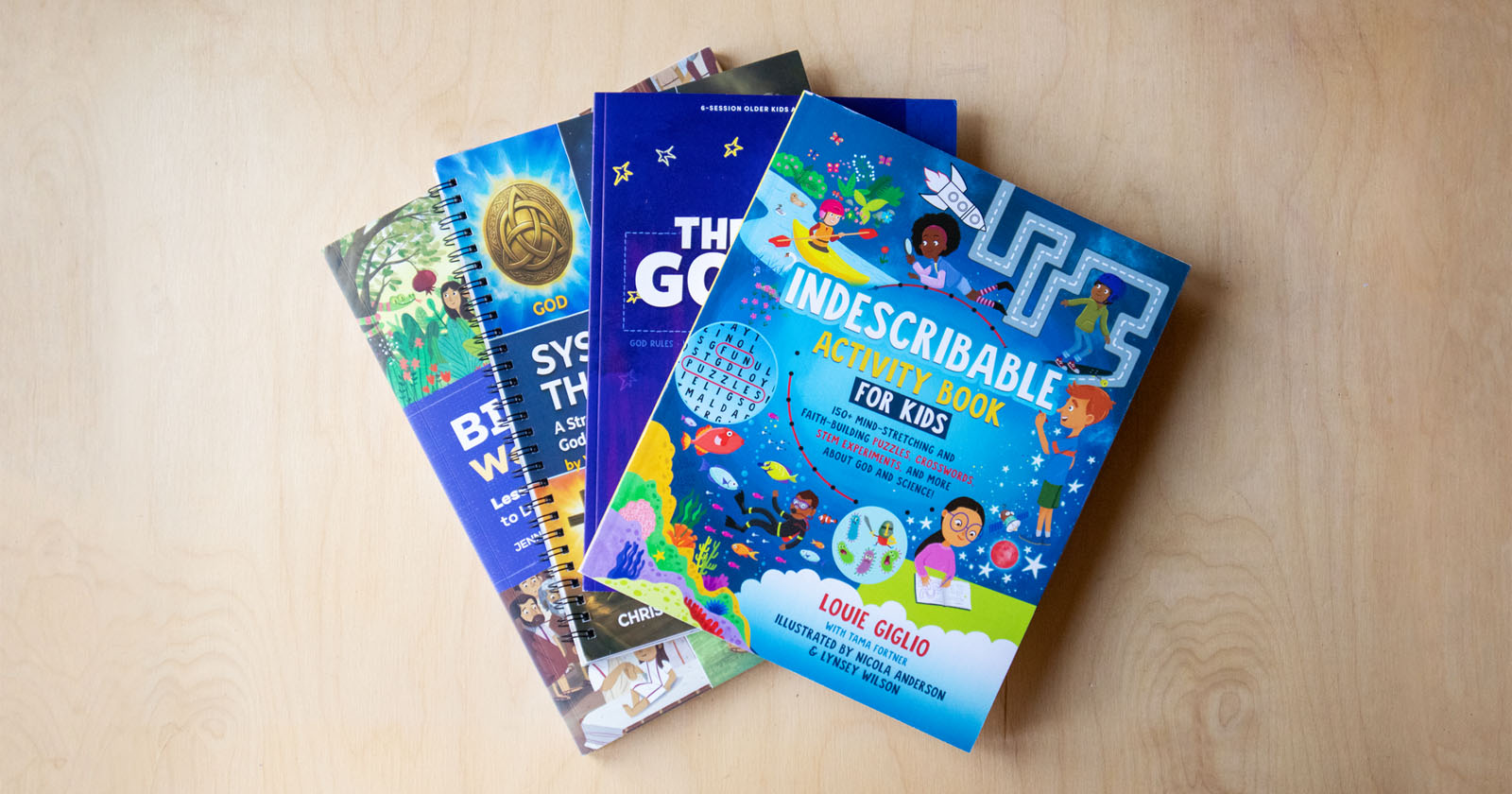
Many parents use Bible workbooks or Christian activity books to help their children learn about faith. These books can be a helpful tool, especially for younger kids who enjoy coloring pages, puzzles, and simple lessons. Workbooks give children something to do with their hands while they learn, and they can make Bible time feel more structured and easy to follow.
But some parents eventually wonder if worksheets and activity pages are enough on their own. If a child starts asking bigger questions about God, the Bible, or why Christians believe certain things, a workbook may not always give the kind of explanation they’re looking for.
So are Bible workbooks enough for kids, or do children need something more?
Why Many Parents Use Bible Workbooks
Bible workbooks are popular because they’re simple to use and easy to understand. Most are designed with short lessons, simple questions, and activities that help children stay focused. For families who want something structured, workbooks can make it easier to have regular Bible time at home.
They can also be helpful for homeschool, Sunday school, or families who want a clear plan instead of trying to come up with lessons on their own. A good workbook can introduce Bible stories, teach basic Christian ideas, and help kids remember what they learned.
For many children, this kind of hands-on learning works very well.
What Bible Workbooks Do Well
Workbooks are especially good for teaching in small steps. Each lesson usually focuses on one idea at a time, which can make learning feel manageable instead of overwhelming.
Activity pages can also help children stay engaged. Puzzles, drawing, matching games, and short questions give kids something to do while they learn, and this can make Bible lessons feel more fun.
For younger children or kids who struggle to sit still, this format can be very helpful. It keeps lessons short and clear, and it gives parents an easy way to guide the conversation.
Because of this, Bible workbooks can be a strong starting point for learning about faith.
Where Workbooks Can Fall Short
Even though workbooks can be helpful, they’re not designed to do everything. Most workbook lessons are short on purpose, which means the explanations also have to stay simple. This can leave important questions only partially answered.
Workbooks works well for basic ideas, but it can become harder when children start asking deeper questions. Topics like suffering, different religions, and questions about God often need more explanation than a worksheet can provide.
Some workbooks also repeat the same type of activity in every lesson. When every page looks similar, children may lose interest, especially as they get older or begin to think more seriously about their faith.
As a result, workbooks can sometimes introduce ideas without fully explaining them.
Some Kids Need More Than Worksheets
Not every child learns about the Bible best by completing activity pages. Some kids understand ideas better when they read a story, ask questions, or talk through what they’re learning instead of writing answers on a worksheet.
As children grow, they often want to understand not just what the Bible says, but what Christians believe and why it’s true. They may ask how we know God is real, why bad things happen, or how the different parts of the Bible fit together.
Books that use chapters instead of worksheets can help meet this need. They have more space to explain ideas clearly, connect different topics together, and walk through questions step by step.
For children who are curious or and ask big questions, this kind of learning can make faith feel more real and easier to understand.
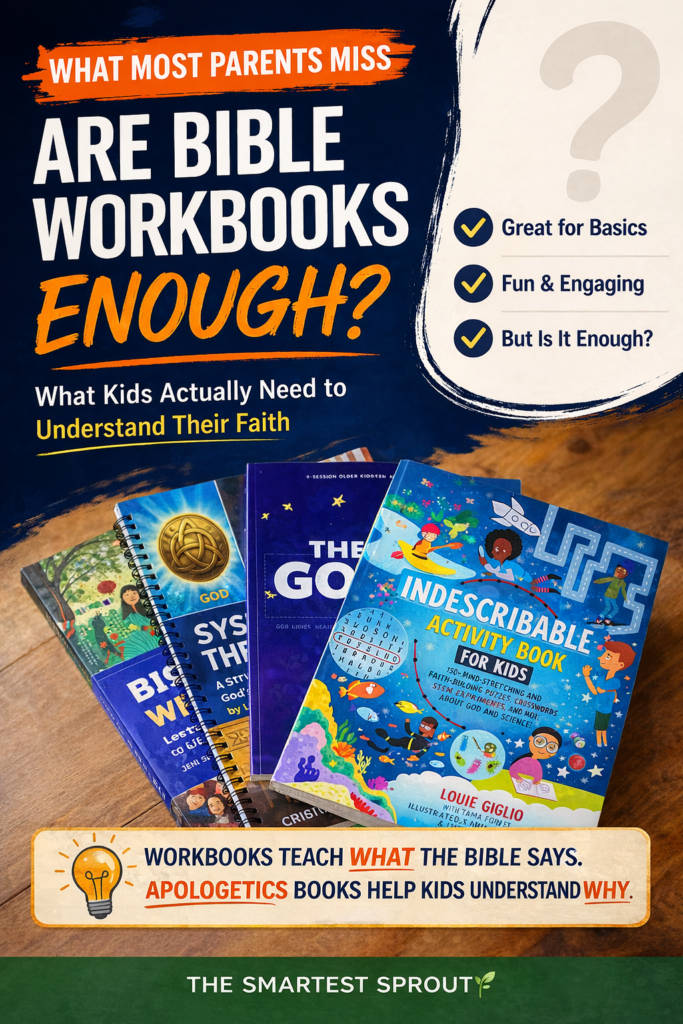
A Better Approach for Deeper Understanding
This doesn’t mean workbooks are bad. In many cases, the best approach is to use more than one kind of resource.
A workbook can be helpful for structure and review, while other books such as chapter books or apologetics-based books that help children understand what they believe and why can give fuller explanations and answer harder questions.
When children have the chance to both do activities and talk about what they believe, they often understand the lesson more clearly.
Parents don’t have to choose between workbooks and other resources. Using them together can give kids a stronger foundation and help them grow in their understanding as they get older.
When Workbooks Are Helpful and When They’re Not
Bible workbooks can be a great tool, especially for younger children, short lessons, or families who want something structured and easy to use.
But they’re not always enough on their own, especially for kids who ask a lot of questions or want to understand their faith in a deeper way. Some children need more explanation, more discussion, and more time to think through what they’re learning.
Every child learns differently, but they all need help understanding what they believe and why. The best approach for many children is often a mix of activities, reading, and conversation.
When parents understand the strengths and limits of workbooks, it becomes much easier to choose the right tools to help their kids grow in faith.
Keep Learning
If you want to explore this further, here are a few helpful next steps:
Other Articles You May Enjoy:


Share This Page on Social Media:
Let’s Be Friends!
Follow The Smartest Sprout on Facebook and Instagram! Discover the latest parenting tips, activity ideas, and more! Plus, get deal alerts on our favorite educational toys and healthy family essentials!