
The 5 Best Christian Apologetics Books for Kids Ages 8–12
This post contains affiliate links. Read our affiliate disclosure here.
The demand for strong Christian apologetics books for kids ages 8–12 is growing for a reason. Elementary-aged children are thinking more critically than ever. They’re hearing new ideas at school, online, and from friends, and they want real answers.
By this stage, many kids aren’t satisfied with “just believe.” They’re asking why Christianity is true, whether the Bible can be trusted, and how faith fits in with science, suffering, and other religions.
Those questions don’t need to be a threat to their faith. They can be an opportunity to strengthen it.
The right apologetics book can help your child:
-
Build confidence in their faith
-
Understand evidence for Christianity
-
Think critically instead of reacting emotionally
-
Respond thoughtfully to life’s challenges
-
See that Christianity is rooted in real history and truth
Below is a carefully selected list of Christian apologetics books written specifically for elementary-aged children. These aren’t just devotional books or Bible stories. They’re designed to help kids understand why Christianity is true in clear, thoughtful, and age-appropriate ways.
What Is Christian Apologetics for Kids?
“Apologetics” simply means giving a reasoned explanation or defense of the Christian faith.
For adults, apologetics can involve philosophy, theology, or historical scholarship. For kids ages 8–12, it looks different, but it’s no less important.
Christian apologetics books for kids may include:
-
Evidence that Jesus was a real historical person
-
Reasons we can trust the Bible
-
Simple explanations of the resurrection
-
Answers to common objections
-
Discussions about other worldviews
-
Age-appropriate conversations about science and faith
Not every Christian children’s book is designed to do this. Many focus on teaching Bible stories, shaping character, or encouraging daily faith. Those are important in their own way, but apologetics books simply serve a different purpose. They focus on building a reasoned foundation for belief.
They help children move from:
“I believe because my parents believe”
to
“I believe because it makes sense.”
That shift can shape the way they understand both faith and the world around them.
Why Ages 8–12 Are So Formative
Late elementary school is often when children first encounter:
-
Evolution and naturalistic explanations of life
-
The idea that all religions are equally true
-
Skepticism about the Bible
-
Questions about suffering and evil
-
Cultural pressure to keep faith private
Even if these ideas aren’t presented aggressively, they’re present in the background. If children aren’t equipped to process them thoughtfully, confusion can eventually take root.
This doesn’t mean overwhelming children with adult-level arguments, but giving them sturdy, age-appropriate building blocks instead.
When apologetics is introduced early and gently, their faith becomes steady and resilient instead of fragile.
What to Look for in Christian Apologetics Books for Kids Ages 8–12
Not all “Christian books” are truly apologetics-focused.
When evaluating Christian apologetics books for kids ages 8–12, look for:
1. Real Questions
Does the book address actual doubts children are asking?
2. Biblical Faithfulness
Are Scripture and theology handled carefully and accurately?
3. Evidence and Reasoning
Does the book introduce historical or logical support in understandable ways?
4. Age-Appropriate Depth
Is it intellectually honest without being overwhelming?
5. A Calm, Confident Tone
The best apologetics books are reassuring, not combative.
Children at this age are capable of surprising depth. They don’t need watered-down answers. But they do need clarity, warmth, and careful explanation.
The strongest Christian worldview books for kids balance truth with encouragement.
The Best Christian Apologetics Books for Kids Ages 8–12
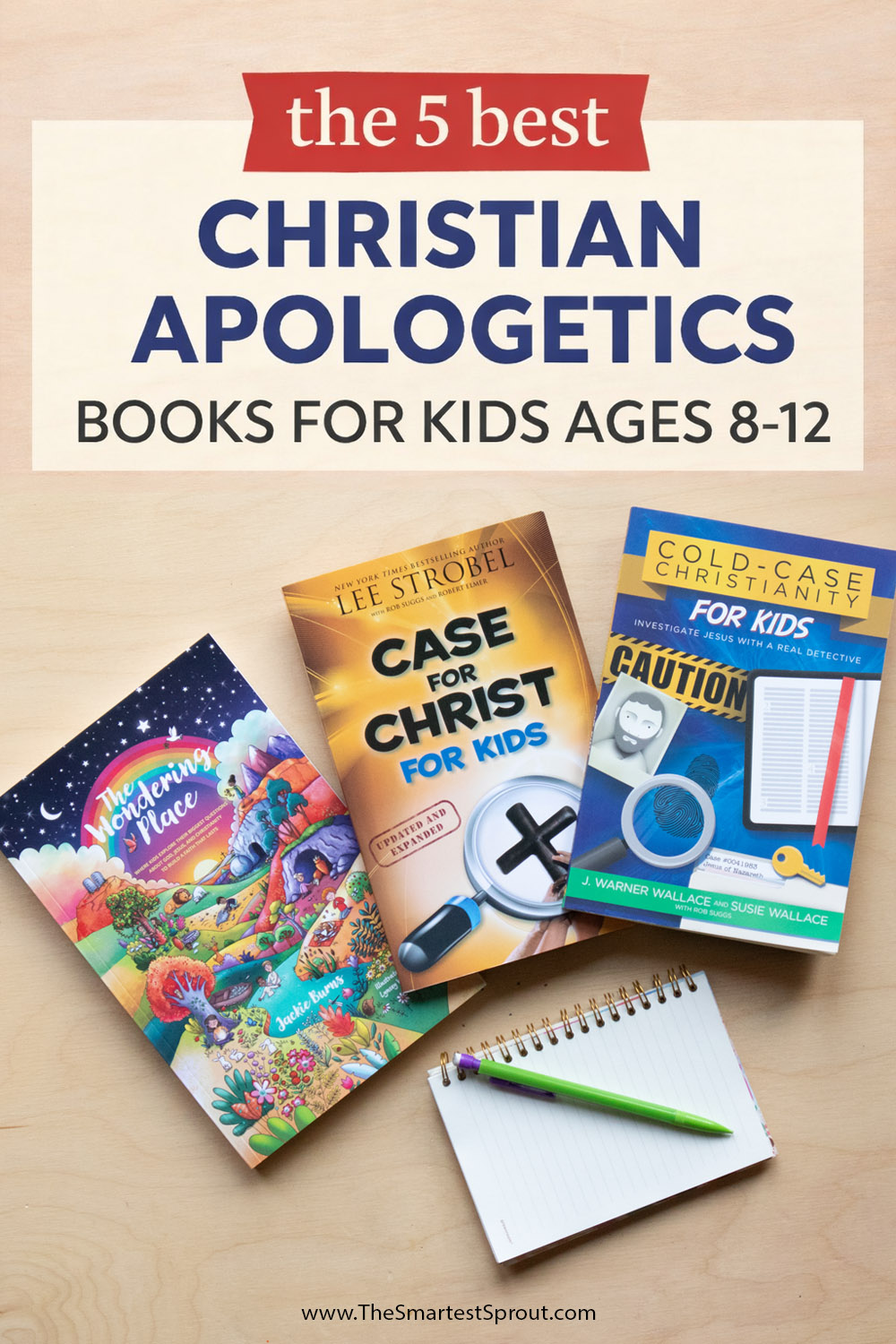
Below are several thoughtfully selected titles that help elementary-aged children wrestle with big questions in healthy, constructive ways.
1. Case for Christ for Kids
by Lee Strobel
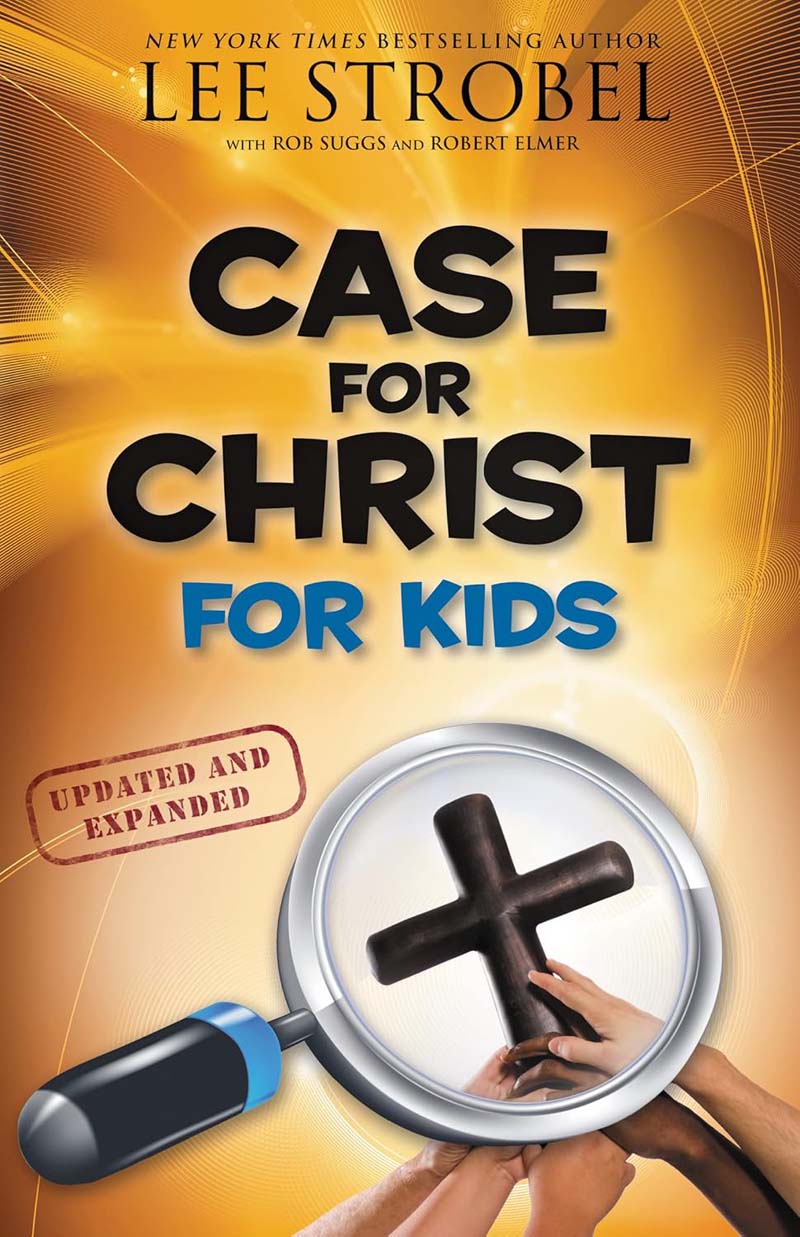
Case for Christ for Kids adapts Lee Strobel’s bestselling adult investigation into a format younger readers can understand. Written in a journalistic, research-driven style, it walks children through the historical evidence surrounding the life, death, and resurrection of Jesus.
Instead of focusing primarily on spiritual formation or devotional reflection, this book leans into investigation. It introduces readers to expert testimony, manuscript evidence, scientific discussion, and logical reasoning that support the reliability of the Gospels. The tone feels more like a guided case study than a story-based chapter book.
For kids who love facts, research, and concrete answers, this approach can be especially compelling. It helps them see that Christianity is not based on blind faith but on historical claims that can be examined and evaluated.
A great fit for:
-
Kids who enjoy facts, research, and investigative learning
-
Families who want a strong focus on historical evidence for Jesus
-
Homes, classrooms, or church groups exploring apologetics in a structured way
2. The Wondering Place
by Jackie Burns
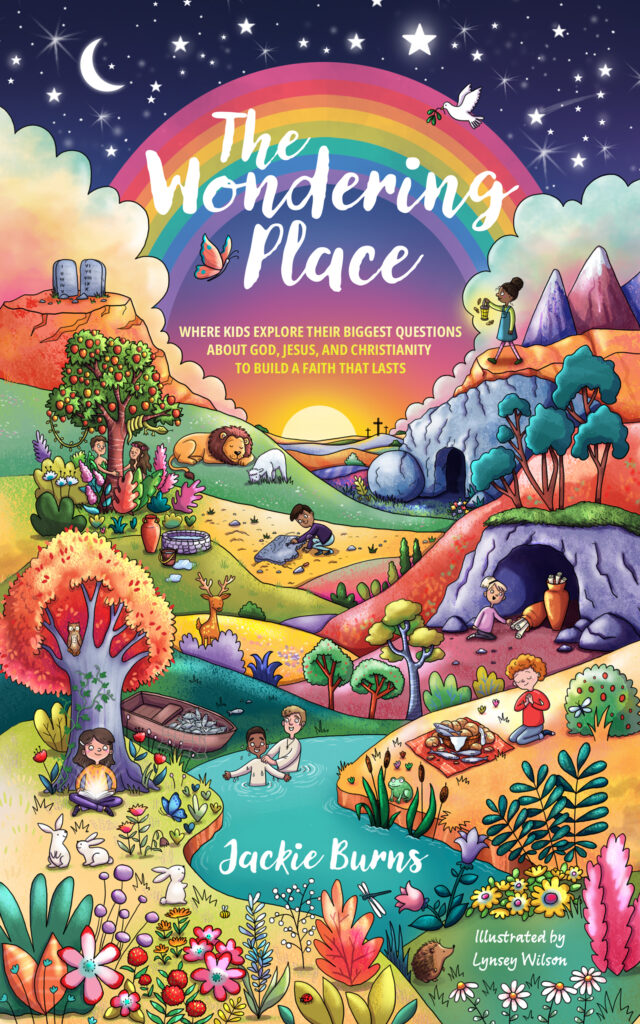
The Wondering Place is built around the real questions children are already asking. Instead of organizing chapters by Bible themes or character lessons, each of the 37 chapters tackles one specific spiritual question. That structure makes it especially helpful for kids who think in concrete, question-driven ways.
Topics include the reliability of the Bible, the existence of God, suffering, doubt, forgiveness, spiritual warfare, and what happens when Jesus returns. The explanations are clear and direct without being overwhelming. Biblical teaching is woven together with historical context and simple reasoning so children begin to understand not just what Christians believe, but why those beliefs are trustworthy.
The book also balances apologetics with discipleship. It does not stop at evidence. Each chapter invites reflection and spiritual growth, helping children connect truth with everyday life. Full-page illustrations throughout keep readers engaged and make complex ideas feel approachable.
Because of its structure and tone, this book works equally well for independent readers and for family discussion. Parents can read one chapter at a time and use the built-in reflection questions to guide meaningful conversations.
A great fit for:
-
Kids who ask thoughtful or skeptical questions about God
-
Families who want to build a strong biblical worldview early
-
Homeschool, Sunday school, church settings, or any home that values thoughtful faith conversations
3. Cold-Case Christianity for Kids
by J. Warner Wallace and Susie Wallace
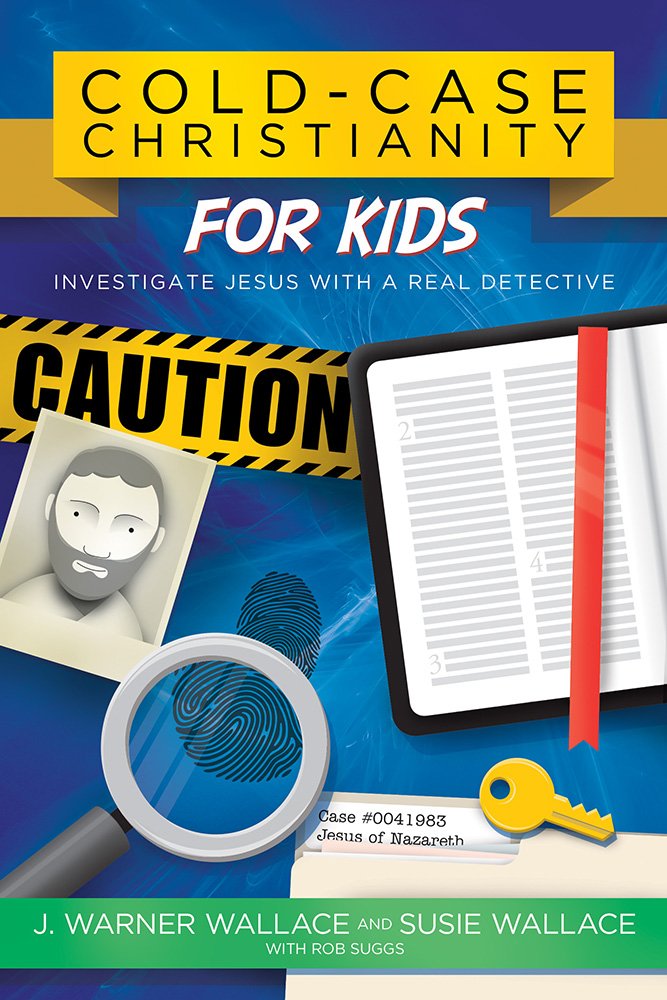
Cold-Case Christianity for Kids approaches Christian apologetics through a detective lens. Drawing from J. Warner Wallace’s background as a homicide detective, the book teaches children how to evaluate eyewitness testimony, examine evidence, and think logically about claims surrounding Jesus.
Rather than simply presenting information, this book trains kids in investigative thinking. Readers learn how to test statements, weigh reliability, and examine the historical case for Christianity step by step. The structure mirrors the adult version, allowing families to explore the material together at different levels.
It also includes illustrations, downloadable activities, and case-note worksheets that reinforce critical thinking skills. For kids who enjoy hands-on learning or the idea of solving a mystery, this format can be especially engaging.
A great fit for:
-
Kids who love detective stories or investigative themes
-
Families who want to teach logical reasoning alongside faith
-
Homes, classrooms, or church groups that appreciate interactive learning tools
4. The Ology
by Marty Machowski
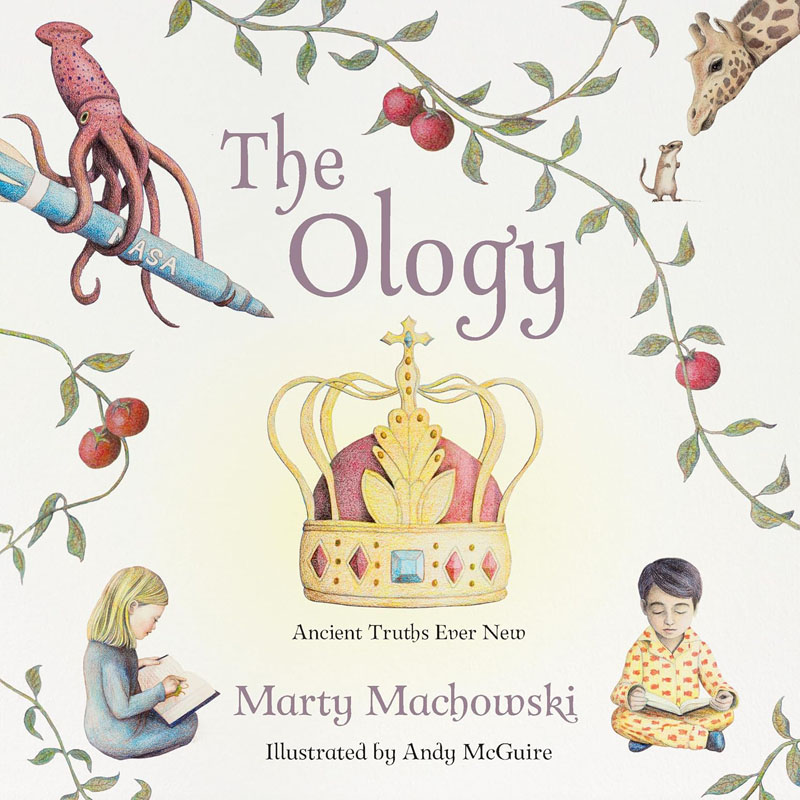
The Ology is not written as a traditional apologetics book, but it lays the theological foundation that makes apologetics possible. Rather than focusing on defending specific objections, it systematically walks children through core doctrines of the Christian faith in a clear, structured way.
Arranged around categories of theology such as who God is, what sin is, who Jesus is, and how salvation works, this book introduces children to biblical concepts with depth and precision. The language is accessible, but it does not oversimplify. It treats children as capable thinkers.
Beautiful illustrations and a cohesive narrative thread make it especially effective as a family read-aloud. For parents who want to build doctrinal clarity alongside evidence-based conversations, this book offers strong support.
A great fit for:
-
Families who want structured theological foundations
-
Kids who enjoy big-picture understanding of the Bible
-
Homes that value thoughtful, doctrine-rich discussion
5. The Awesome Book of Bible Answers for Kids!
by Josh McDowell and Kevin Johnson
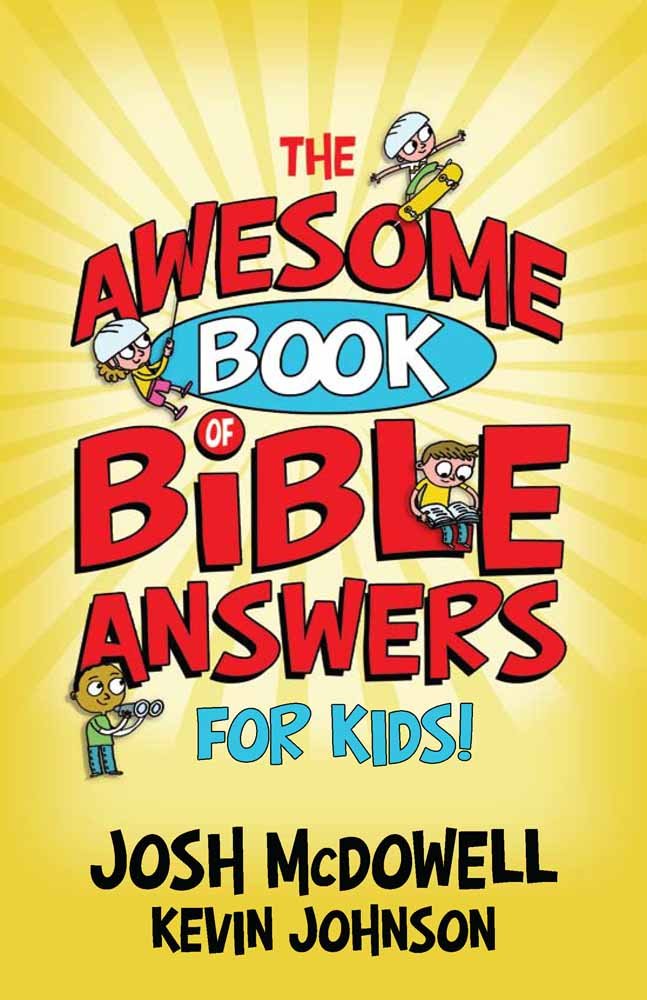
The Awesome Book of Bible Answers for Kids takes a direct question-and-answer approach to some of the most common topics children wrestle with. Rather than presenting one long investigative narrative, it offers concise, focused responses to real-life questions about God, forgiveness, right and wrong, other religions, and how faith connects to everyday life.
Josh McDowell, long known for his apologetics work with students and adults, adapts core biblical truths into a format that feels approachable and readable for upper elementary children. Each answer is rooted in Scripture while remaining clear and practical.
Because of its structure, this book works especially well for kids who enjoy browsing topics independently or jumping to the question that is currently on their mind. It also makes an excellent companion resource for parents who want a quick, reliable way to address faith-based questions as they arise.
A great fit for:
-
Kids who enjoy direct, question-and-answer formats
-
Families who want a practical resource for everyday faith conversations
-
Homes or classrooms looking for accessible apologetics across a range of topics
Chapter Books vs Workbooks vs Devotionals
Parents often wonder which format works best.
-
Chapter books encourage independent exploration.
-
Workbooks create structured parent-child discussions.
-
Devotionals blend reflection with reasoning.
-
Curriculum-style books offer systematic coverage.
There isn’t one right answer to this, and every child learns a little differently. The best apologetics books for your child are the ones that match their personality and learning style.
Frequently Asked Questions
Is 8 too young for apologetics?
No. By age 8, many children are already forming abstract thoughts and asking foundational questions. Apologetics at this stage should be gentle and age-appropriate, not heavy or argumentative.
What if my child doesn’t seem interested?
Start with conversation, not curriculum. Sometimes a single question over dinner does more than a structured study.
Are apologetics books only for homeschool families?
Not at all. Any parent who wants to help their child understand the reasons behind their faith can benefit from these resources.
Final Thoughts
Christian apologetics books for kids ages 8–12 are not about creating debate champions. They’re about helping children understand what they believe and why they believe it.
They help children:
• Love God with both their hearts and their minds
• Grow confident in the truth and reliability of the Bible
• Stand firm when difficult questions arise
• Think carefully about the ideas and messages they encounter in culture
If your child is beginning to ask deeper questions about faith, that isn’t something to fear. It’s a sign they’re growing up, and the right apologetics book can help you walk that journey together.
But apologetics is only one piece of a child’s reading life. All the books we place in their hands shape imagination, character, and understanding, which is why thoughtfully chosen Christian chapter books can be just as influential in this season. Some tell powerful stories, while others encourage quiet reflection and spiritual growth. Together with apologetics, they form a balanced foundation.
And even in the baby and toddler years, simple, steady exposure through Christian board books begins laying foundations that later conversations can build on.
Before children can clearly explain what they believe, they are already forming assumptions about the world. They are learning whether God feels distant or near, whether faith belongs only in church or in ordinary daily life.
When Scripture shows up in bedtime routines, in alphabet lessons, in simple prayers of gratitude, it becomes part of the atmosphere of home. It doesn’t feel added on. It feels normal.
You don’t need a shelf full of books or a complicated routine. A few thoughtful choices, read consistently, will do more than you think. And over time, those small, steady rhythms become part of how your child understands reality.
Other Articles You May Enjoy:



Share This Page on Social Media:
Let’s Be Friends!
Follow The Smartest Sprout on Facebook and Instagram! Discover the latest parenting tips, activity ideas, and more! Plus, get deal alerts on our favorite educational toys and healthy family essentials!